His batting flourished at his new home in Hokkaido Nippon-Ham

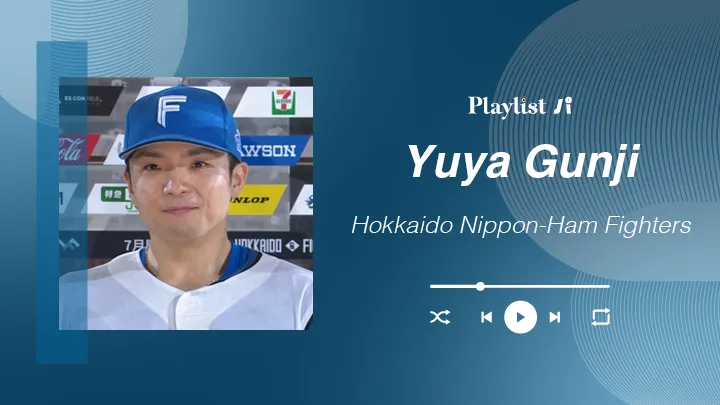
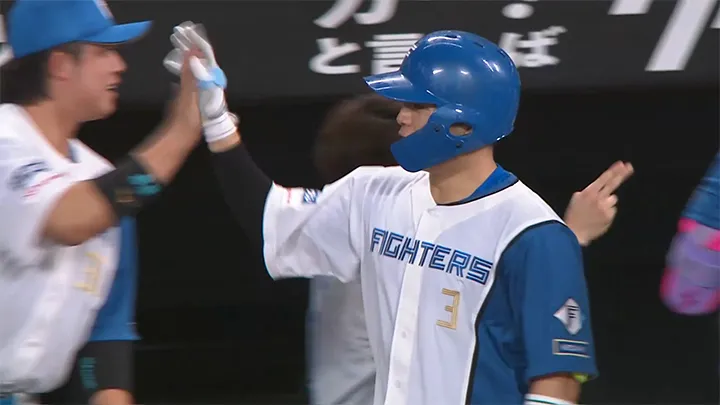
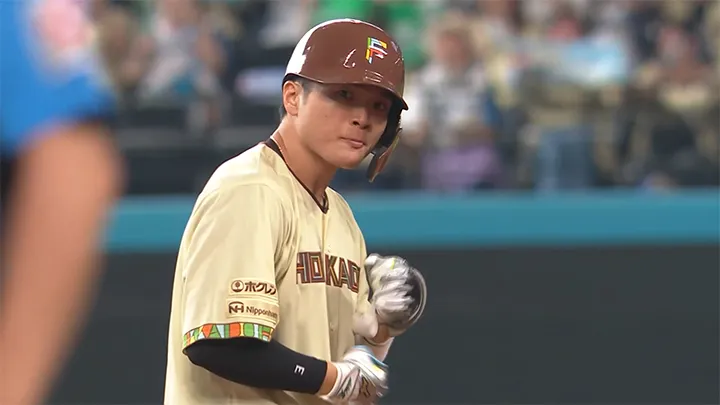
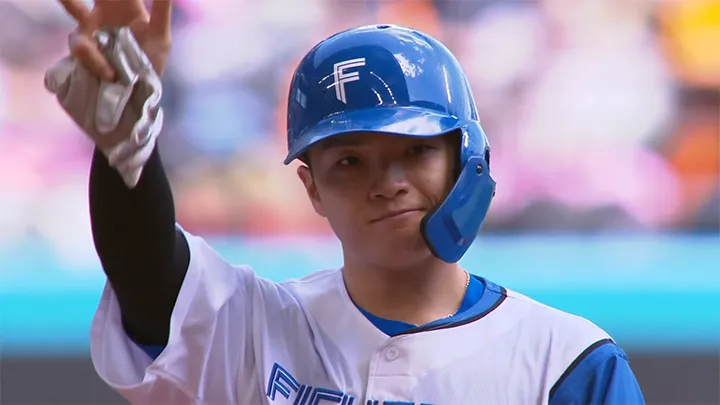
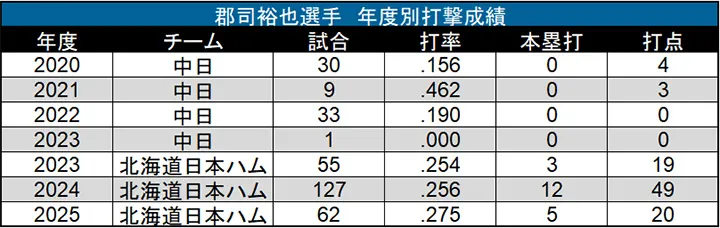
Yuya Gunji player who joined Hokkaido Nippon-Ham from Chunichi in a trade in June 2023. Chunichi Although he did not perform as well as he would have liked in his early years, he has blossomed in his new home with the hitting that had been expected of him since he first joined the professional ranks. Last season, he reached the regulation batting lineup for the first time in his career, and this season he has already hit walk-off three times, contributing to the team with his natural competitive spirit. In this article, we would like to explore the evolution of Gunji's batting and how it has changed.
Two turning points emerge from struck out and Walk ratios

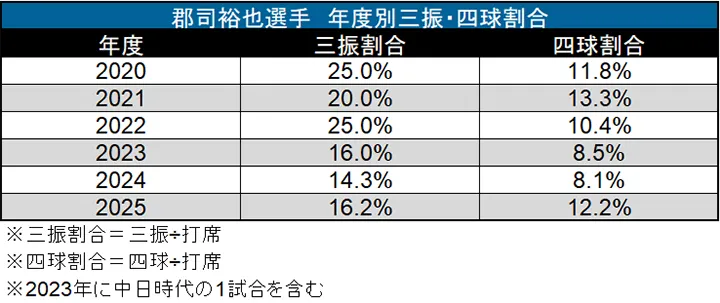
First, looking at struck out and Walk rates by year, two turning points emerge from the changes in the numbers. The first is 2011, when he joined Hokkaido Nippon-Ham, where both struck out and Walk decreased compared to his time with Chunichi Dragons. The second is this season. We can see that struck out rate, which improved after the transfer, has remained in the 10% range, while his Walk rate has increased again. So, what changes have occurred in his batting at each of these two turning points? Let's take a closer look.
After the transfer, his batting aggressiveness increased.

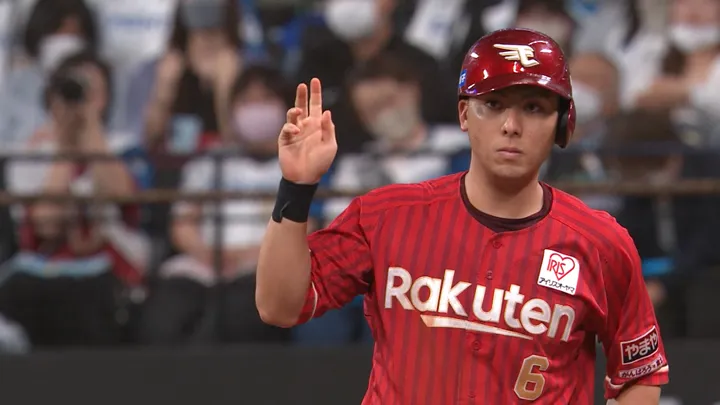
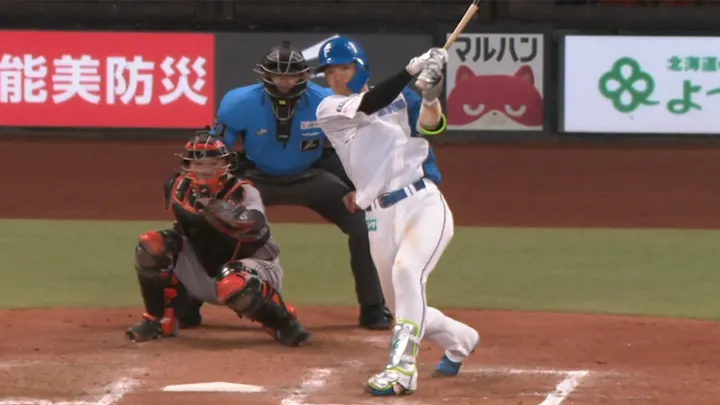
The first notable change before and after the transfer is the increased aggressiveness of his swing. While with Chunichi, first baseman first strike swing rate was more than 10 points lower than the NPB average, and he was the type of batter who carefully assessed the ball he was going to swing at. However, he changed his batting style after the transfer, and with Hokkaido Nippon-Ham, he began to swing aggressively from low count. In his first at-bat after the transfer on June 30, 2011, he showed his determination by hitting the first pitch from pitcher Yoshinobu Yamamoto (currently with the Dodgers) for a hit.
By finishing off the match before you are cornered, you can create stability in your striking.

Chunichi In his days, Gunji was on the fragile side when he was driven into a corner, with a 2 strike batting average of .138, which was considerably lower than his Central League average of .180 during that time. However, after the move, he became more aggressive in his approach within the batter's box, resulting in an increase in the number of at-bats that were settled before he was driven in. As a result, it is thought that he was able to hit more consistently than before.
In addition, as introduced earlier, the Walk ratio at the same time also decreased, which is probably also attributable to the fact that the game within the batter's box became faster. While he was able to leave a higher batting average, his ability to get on base Walk had diminished. And it is this season, the second turning point, that the Walk ratio has improved again.
His original strengths have returned midway through this season

The table above divides the various statistics introduced so far into March and April of this season and those after that. Looking at March and April, we can see that while the percentage of at Walk where he was down and walked remains low, just like last season, his batting average with two strike is high at .250. His total for the first half of the season is .262, which is currently the highest among Pacific League hitter with at least 200 at-bats. Perhaps he found confidence in his batting with two strike in the first month of the season and is no longer afraid of being down. Since May, the percentage of at-bats where he was down and walked has increased, and as a result, he has been able to choose to Walk.
He has developed into one of the league's best batters with the ability to get on base.

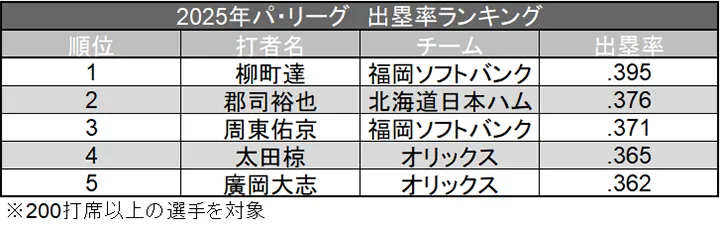
Since his transfer, he has been able to hit consistently, and his natural ability to draw Walk has returned, leading to a significant improvement in his on-base percentage this season. While he is currently about 50 at-bats short of the required number, he ranks second in the league among hitter with at least 200 at-bats. He has started in every batting order except for number nine, and his league-leading starting line-up-base ability allows him to expand his opportunities in any batting order, providing a solid foundation for Hokkaido Nippon-Ham batting lineup. Combined with his versatility, allowing him to play a variety of positions, he has become an important piece for the team.
Last season, Hokkaido Nippon-Ham Fighters finished second in the league, making it into Class A for the first time in six years. This season, they're currently in first place and leading the championship race, but Gunji's contributions on both offense and defense are essential to the team's progress over the past two years. He will continue to use his natural batting prowess and cheerful personality to help lift the team as they strive to win the pennant race and celebrate.
*All figures in the text and tables are current as of July 21, 2025
Text and Data Stadium
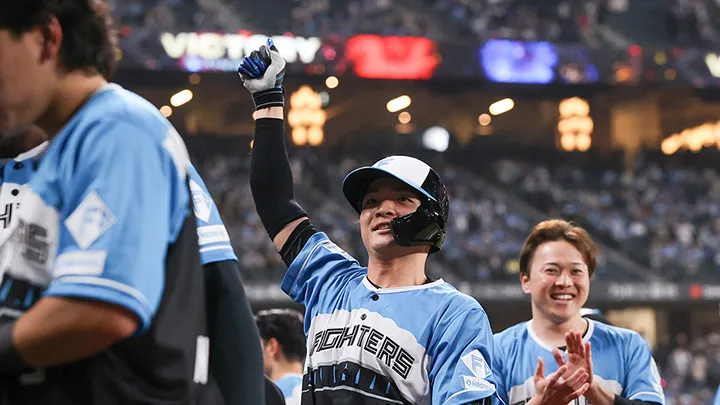
![Hokkaido Nippon-Ham Fighters player Yuya Gunji [Photo: provided by the team]](https://media.insight.pacificleague.com/webp/2rXkua1NPosAQHRgggi1X7FXTYEXncPcY8juvBy4.webp)