A 25-year-old right-handed pitcher climbing the ladder to ace status: We delve into the reasons behind the excellent performance of Tohoku Rakuten Eagles 's Kosei Shoji.

Pacific League Insight

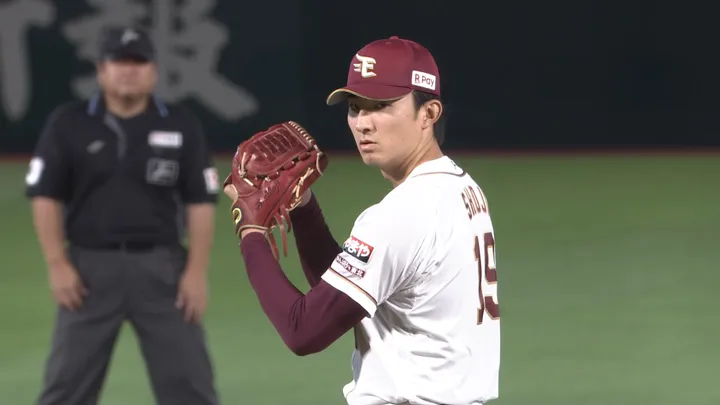
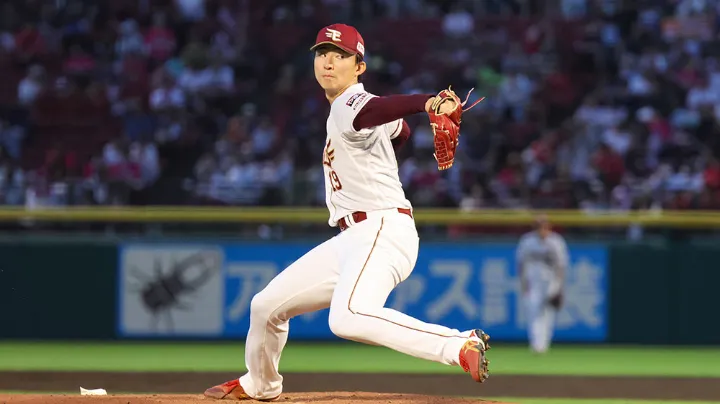
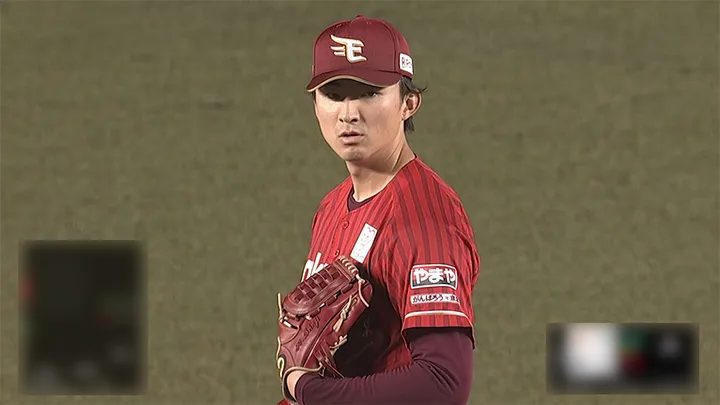
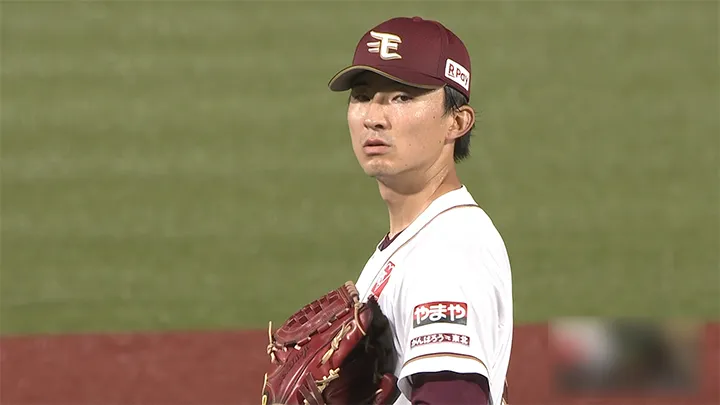
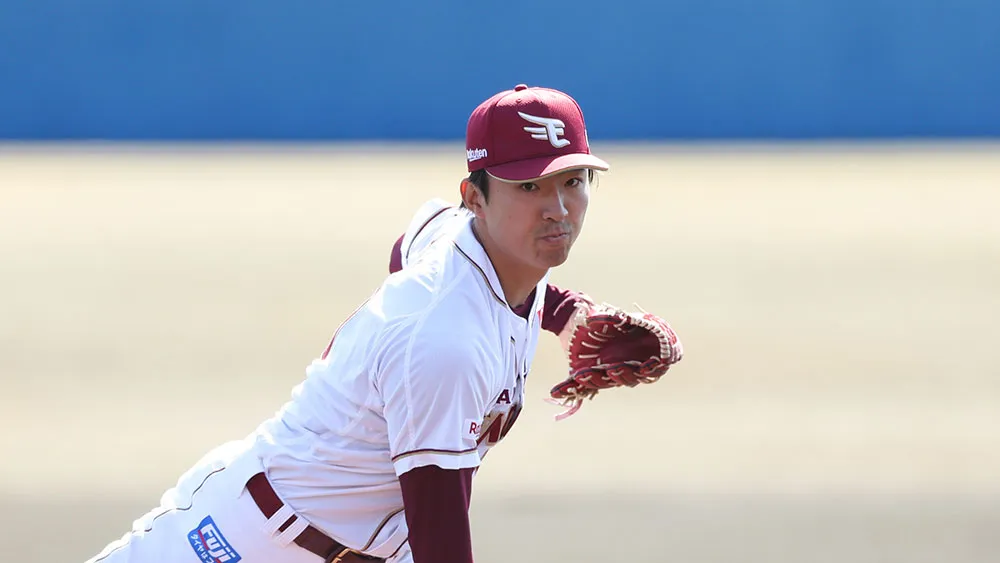
Tohoku Rakuten Golden Eagles pitcher Kosei Shoji [Photo: Provided by the team]

He has continued to pitch well since the start of the season.

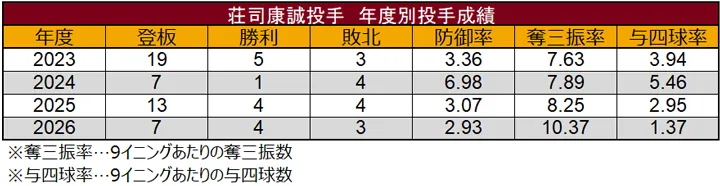
Kosei Shoji pitcher pitcher by year ©Data Stadium

Kosei Shoji pitcher who joined Tohoku Rakuten Eagles as the first overall pick in the 2022 draft, got off to a slow start last season due to right elbow surgery he underwent in 2024. However, he maintained his place in the rotation from the summer onwards, recording a 3.07 ERA in 13 starts. Now in his fourth year, he was selected as the opening day pitcher for the first time in his career, and has shown consistent pitch, including three consecutive wins from that point. He has recorded more strikeouts BB inning strike out, while keeping walks to a minimum. In this column, we will use data to explore the factors behind pitcher 's continued strong performance so far.

The percentage of breaking ball is increasing.

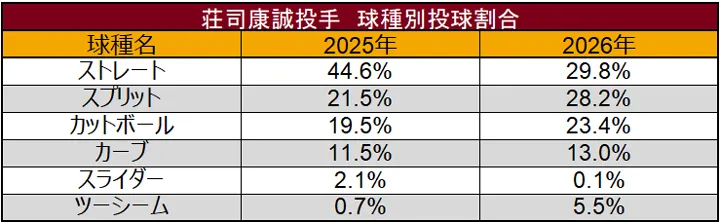
pitcher percentage by pitch type Kosei Shoji ©Data Stadium

One of the features of the Shoji pitcher is its pitch style centered around fastball, reaching a top speed of 156 km/h. However, this season, the percentage of fastballs pitch dropped to 29.8%, about 15 points lower than last season. As a result, the proportion of breaking ball such as splitter and cutter has increased, and two seam fastball, which were barely used last season, now account for 5.5%, expanding the range of pitch. What was the background behind these changes in pitch composition?

The model change was inevitable.

Kosei Shoji pitcher type and slugging percentage against ©Data Stadium
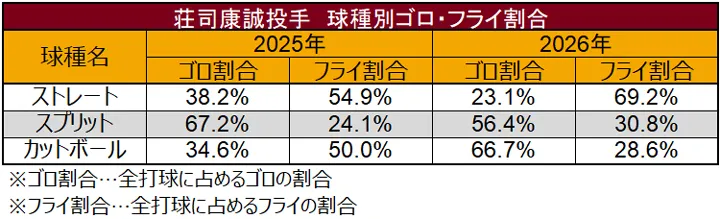
Ground ball/fly ball percentage by pitcher type Kosei Shoji ©Data Stadium

One reason for the increase breaking ball is the high rate of slugging allowed against fastball. Comparing the three most frequently pitch pitches, fastball recorded the highest slugging rate against last season at .370 and the highest fly ball rate at 54.9%. With the addition of home run zone at his home stadium, Rakuten Eagles Mobile Saikyo Park Miyagi, this season, he likely aims to closer the risk of extra-base hits.

Pitcher pitcher himself has described his own fastball as "a ball that has a high risk of going into the stands if you make one wrong move." Given this, it is thought that he is increasing the proportion of splitter and cutter pitch that tend to result in ground balls and are less likely to lead to extra-base hits.

He produced a lot of strikeouts with his three main pitches.

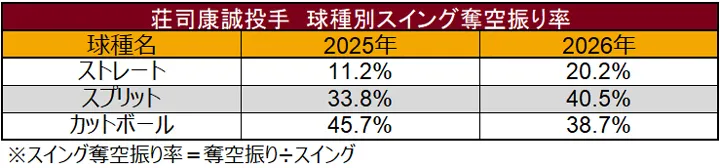
Kosei Shoji pitcher Type Swing-and-Miss Rate ©Data Stadium

pitch splitter and cutter, which have increased in pitch, not only make it harder to lead to extra-base hits but also prove effective as pitches that can induce swings and missed hits. In particular, splitter 's swing missed rate has increased by 6.7 points from last season to 40.5%, making it a major weapon this season with an increase in struck out.

Meanwhile, the swing missed rate for fastball, which reduced the pitch percentage, rose significantly from 11.2% last season to 20.2% this season. This is even higher than this season's league average of 16.2%, and it also functions as a ball capable of winning off swings and missed balls.

fastball that supports the good pitching

Kosei Shoji pitcher pitch fastball by height ©Data Stadium
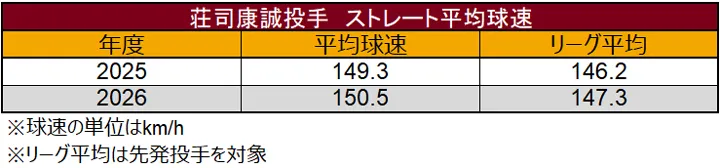
Kosei Shoji average pitcher fastball ©Data Stadium

One reason for the improved swing missed rate in fastball is the increased pitch rate toward higher courses. Generally, high ranges are more likely to lead to extra-base hits if caught and are also the zone in the fastball where you can get the most swings and misses. The same applies to Shoji pitcher 's fastball, where he has the best high swing missed rate among high and low pitches. Because Shoji pitcher excels at control, it's not uncommon for him to intentionally throw fastballs high when aiming for swings and misses.

Additionally, the increase in fastball 's average pitch velocity is also considered a factor. This season, they recorded 150.5 km/h, surpassing last season's 149.3 km/h, showing that the quality of their balls has improved. Although the pitch percentage has decreased, there is no doubt that fastball is supporting his strong pitching this season.

Shoji pitcher has been leading the team since the start of the starting rotation. In the game against Hokkaido Nippon-Ham on April 21, he delivered a powerful pitching performance marking double-digit strike out for the first time in his career. An even fiercer battle for the top spots is expected, but in this gripping moment, which pitch will number 19 choose? I also want to pay attention to the pitch arrangement of the Tohoku Rakuten Eagles battery.

*All figures in the text and tables are as of May 14, 2026.

Bun Data Stadium

Article provided by:Pacific League Insight

Featured
Featured
Pacific League News

A 25-year-old right-handed pitcher climbing the ladder to ace status: We delve into the reasons behind the excellent performance of Tohoku Rakuten Eagles 's Kosei Shoji.