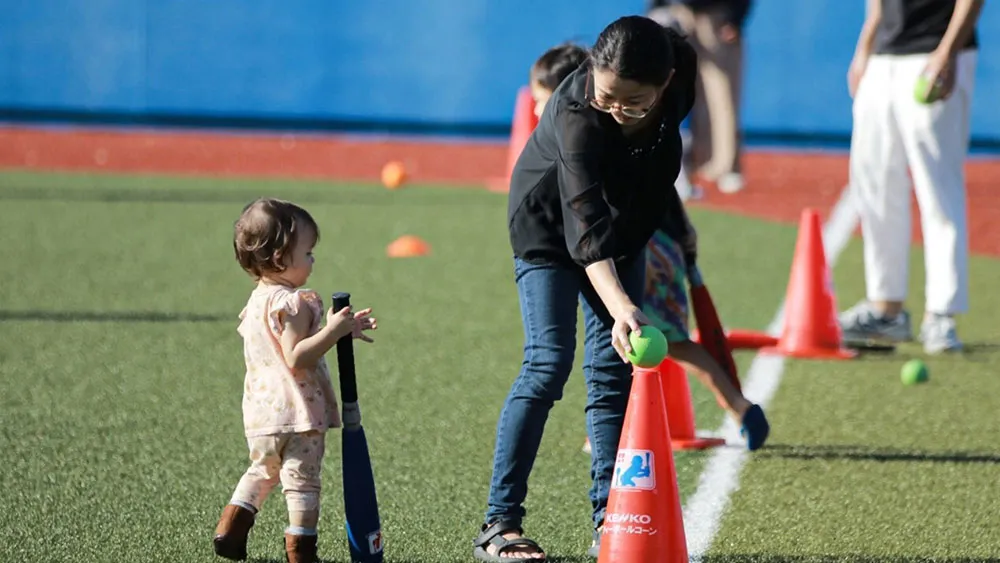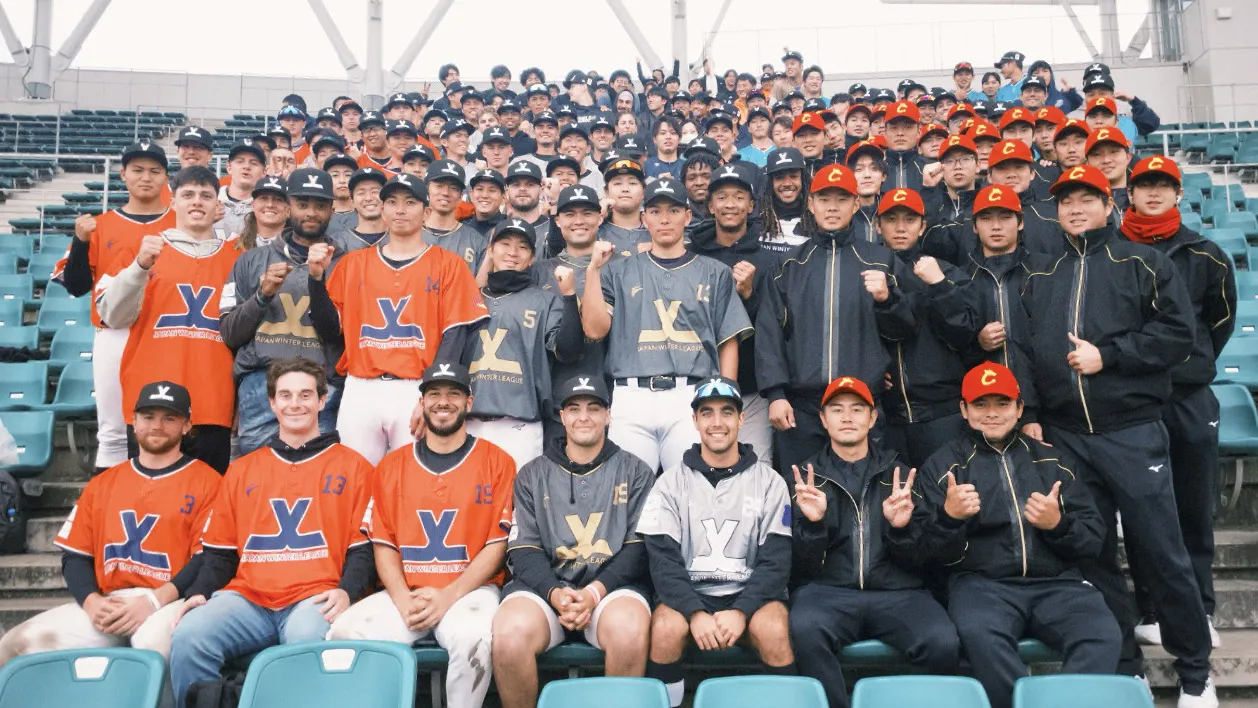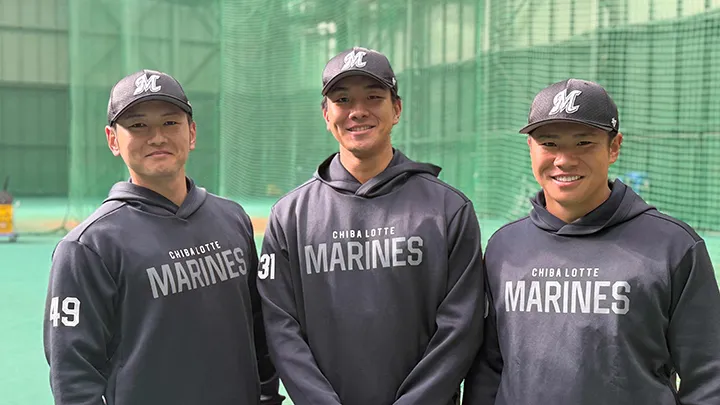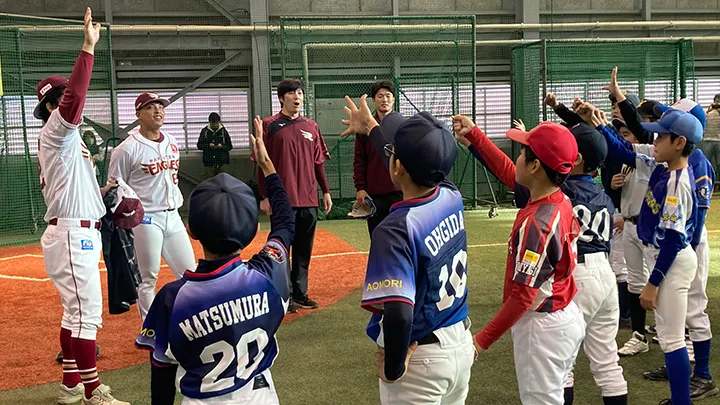
In December last year, Pacific League Marketing (PLM) held a T-ball event as a joint project with the Japan Winter League (JWL). This is an initiative to provide children in Okinawa Prefecture with a place to start baseball. The venue was filled with many smiles, and the fun of baseball naturally spread.
On the other hand, Takashi Takagi, deputy general manager of the PLM Media Rights Division, who is in charge of this joint project, had other thoughts.
"I believe that baseball has the potential to expand not only as a competition, but also as an industry. In the future, I believe that Japan tech companies may develop services and products that will dominate the world. Currently, maximizing performance through a scientific approach is a major trend in the ball world. One example is the TrajectoArc (a machine that can reproduce lifelike ball muscles by combining actual pitcher footage with detailed data such as ball speed, rotation speed, and amount of change, which is also used by Shohei Ohtani. In order to accelerate this kind of innovation, I felt that not only teams and players, but also people with technology and services needed an opportunity to go into the field and try it out."
Could we use the JWL environment where players who play at a high level gather and actually play games to contribute to the baseball world?
With this in mind, the "Accelerator Program" was planned to provide a place for demonstration experiments for start-up companies in sports tech, wellness & healthcare, and baseball-related businesses.
Why the "Accelerator Program"?
The unique feature of this program is that it opens up baseball field itself as a "testing ground."
PLM and JWL created the platform, and the two selected startup companies proceeded with their respective themes. This accelerator program was implemented within that framework.
Rather than just considering or assuming things from a desk, the project involved going into the environment where the players actually play, testing the situation, observing the reactions that occurred on the ground, and engaging in repeated dialogue with the players themselves and those involved - this process was the premise of this initiative.
What did you try using baseball field?
The accelerator program involved several initiatives focused on areas related to athletes' condition and performance.
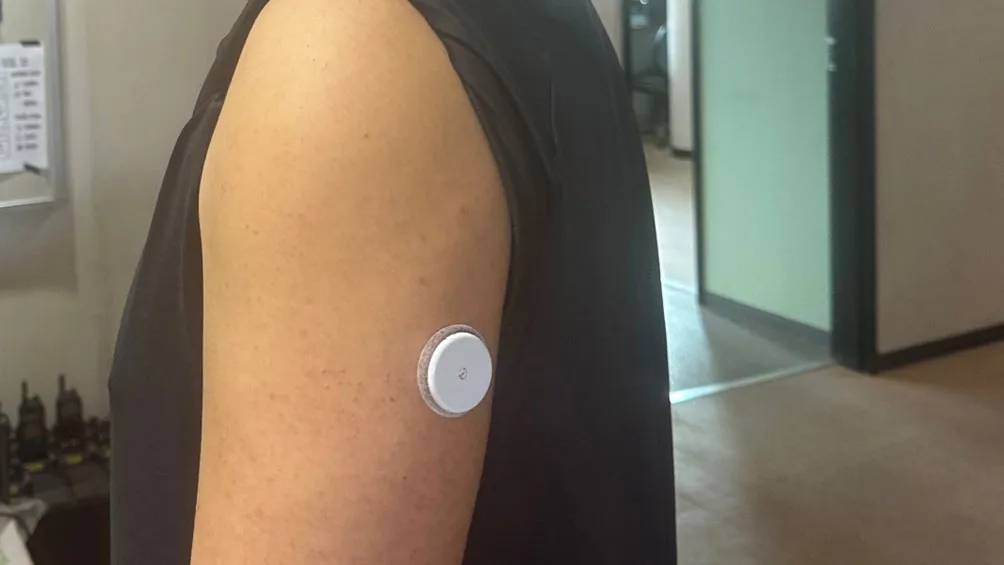
SympaFit, a company that handles biometric data such as blood sugar levels, used sensor-type devices worn by athletes to measure blood sugar fluctuations over 24 hours. By continuously capturing daily changes, including diet and sleep, not just during matches, SympaFit was able to understand when and how blood sugar levels fluctuated.

For example, if blood sugar levels remain high while sleeping, it can be difficult to get enough sleep, which can have an impact on the next day's condition and performance in a match. By visualizing these fluctuations, athletes can understand their own condition and use this information to think about how to spend their days and how to adjust their condition.
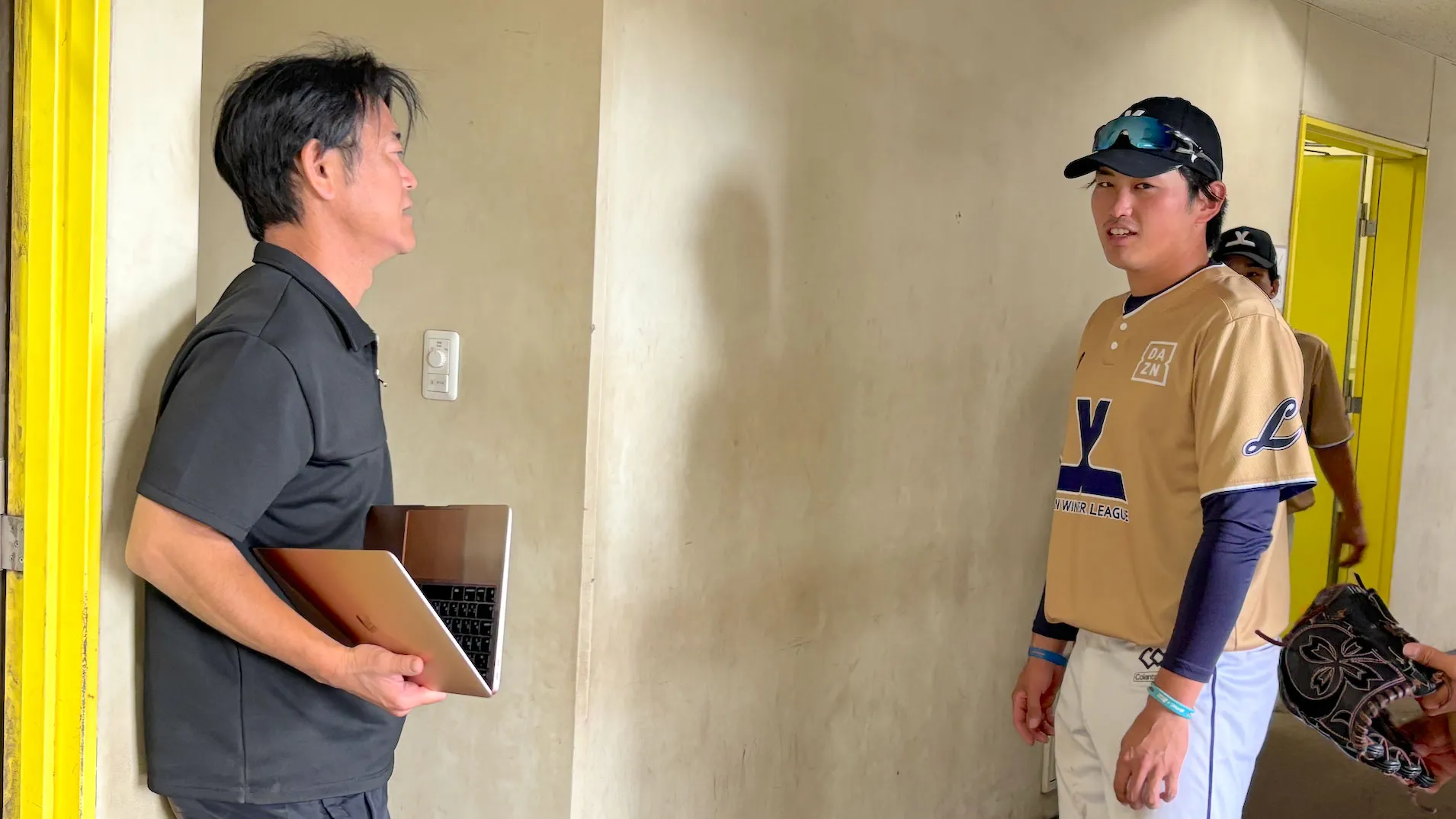
![Sahei Kaji (left), CEO of SympaFit Inc., conducted the verification based on biometric data such as blood sugar levels. [©JWL]](https://media.insight.pacificleague.com/webp/zyPzCnsnRw2gZoXx1PCkj4ObzfiU5RxKJo4wrzNJ.webp)
SympaFit CEO Sahei Kaji reflected on the program.
"At JWL, which uses a scientific approach to improve player performance, we worked to visualize the mental state, wondering if we could quantify the 'heart' of mind, technique, and body. This time, we looked at blood sugar level data to give advice on improving performance before and during games, in addition to diet and sleep. What was impressive was that the blood sugar level data revealed that a player who, based on past experience, believed it was better to remain calm when he stepped up to the plate was able to approach the game with adrenaline pumping, allowing him to approach with a high level of concentration. I'll never forget how that player persevered in his approach even when he was in a tight spot, hit a home run, and thanked me with a smile when he returned to the dugout."
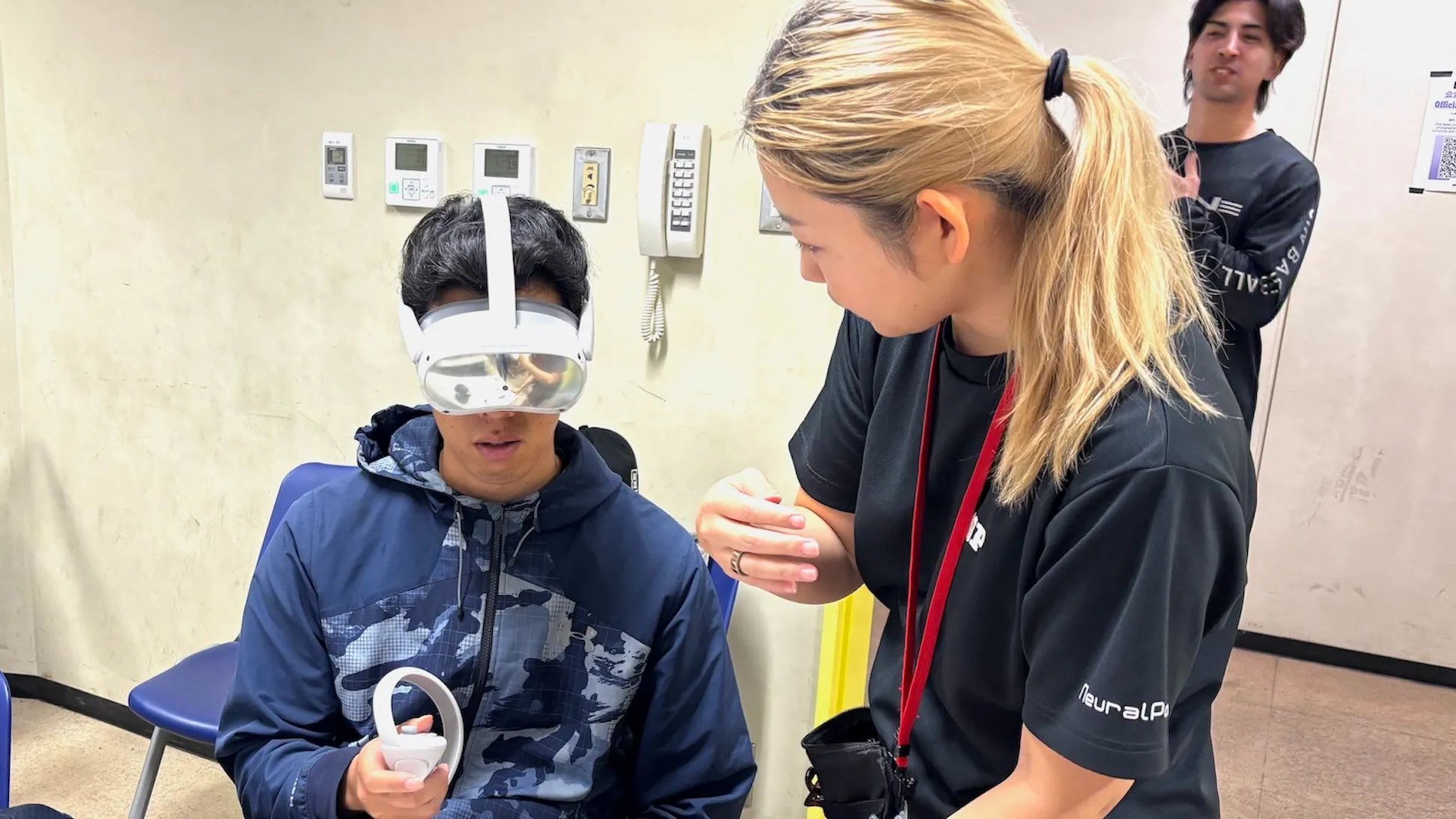
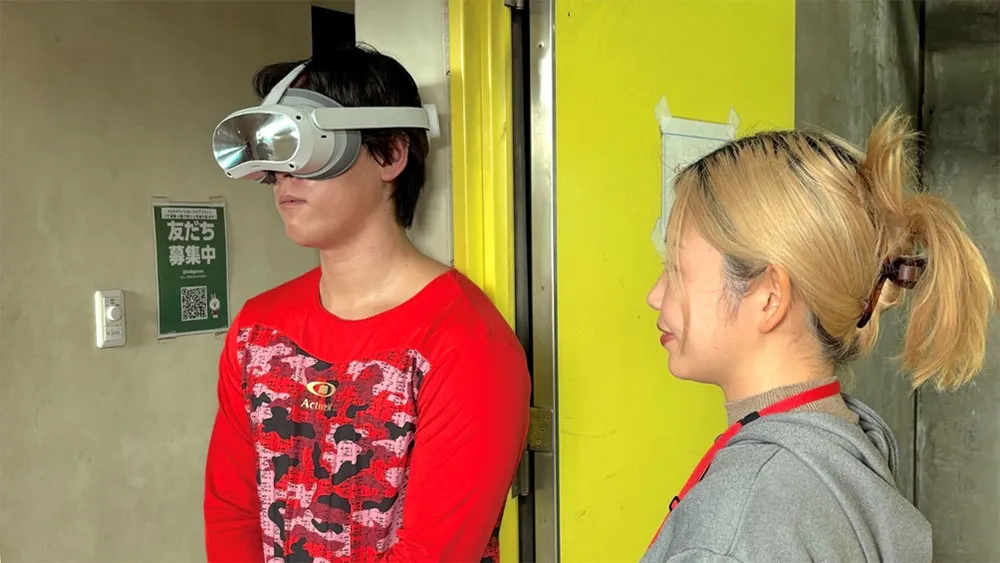
Neuralport Inc., which quantifies the cognitive load of the frontal lobe and works to visualize brain fatigue, conducted short-term measurements using VR at multiple times, such as before and after a match or when refreshing, to identify the tendencies of each player.
A conversation that started with "numbers" -- the real experience of a startup in the field
Neuralport CEO Anna Shimafuji recalls that when she visited the JWL site, the way the numbers "appeared" was different from what she had expected.
"What I felt when I was there was that even when measurements were taken under the same circumstances, the numbers came out completely differently depending on the athlete. This is true before and after a match, and the way things change when stress is applied is also different for each individual. Even if the numbers are similar, how they affect performance will differ from athlete to athlete, and I was reminded that it's not as simple as saying a certain number is good or bad."
In the actual verification, the numbers were not evaluated using a uniform standard, but rather the data was used as material to understand the changes and conditions of each player.
"That's why I think it's important to use the data as a guide to understanding the current state of an athlete, rather than just looking at the numbers themselves. By talking to the athletes and asking them questions like, 'How were you at this time?' and 'What were you feeling when you were in this state?', I was able to come up with suggestions for what to do next to improve their performance."
The measured data was not used to judge whether something was good or bad, but rather as hints for improving performance.
![Neuralport CEO Anna Shimafuji (right) conducted the verification through repeated measurements and dialogue. [©JWL]](https://media.insight.pacificleague.com/webp/erU0aaRfu8mM3GAY84FtG4cHziQ1TdDX2FqKlMDe.webp)
What was said and seen at the presentation
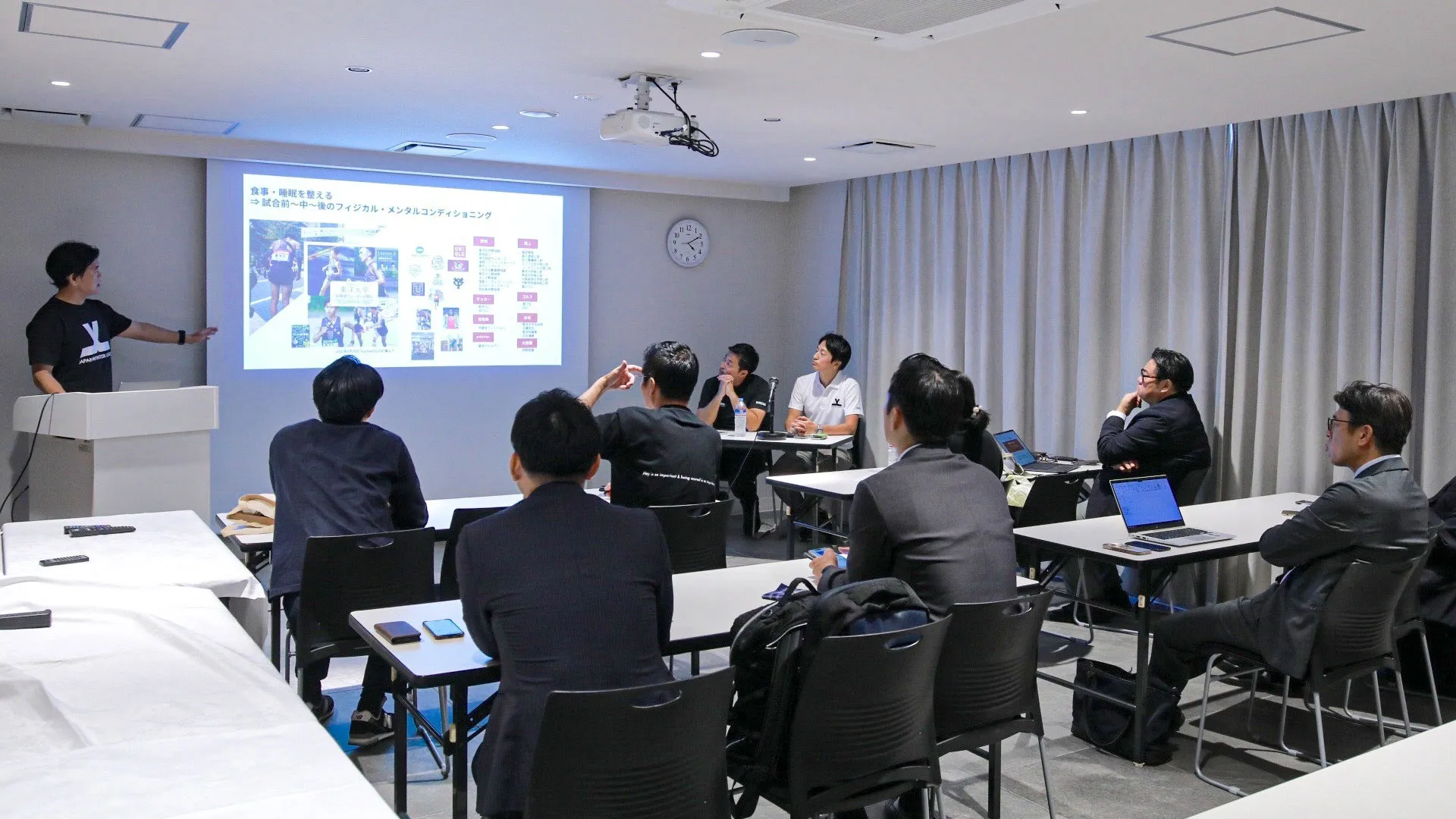
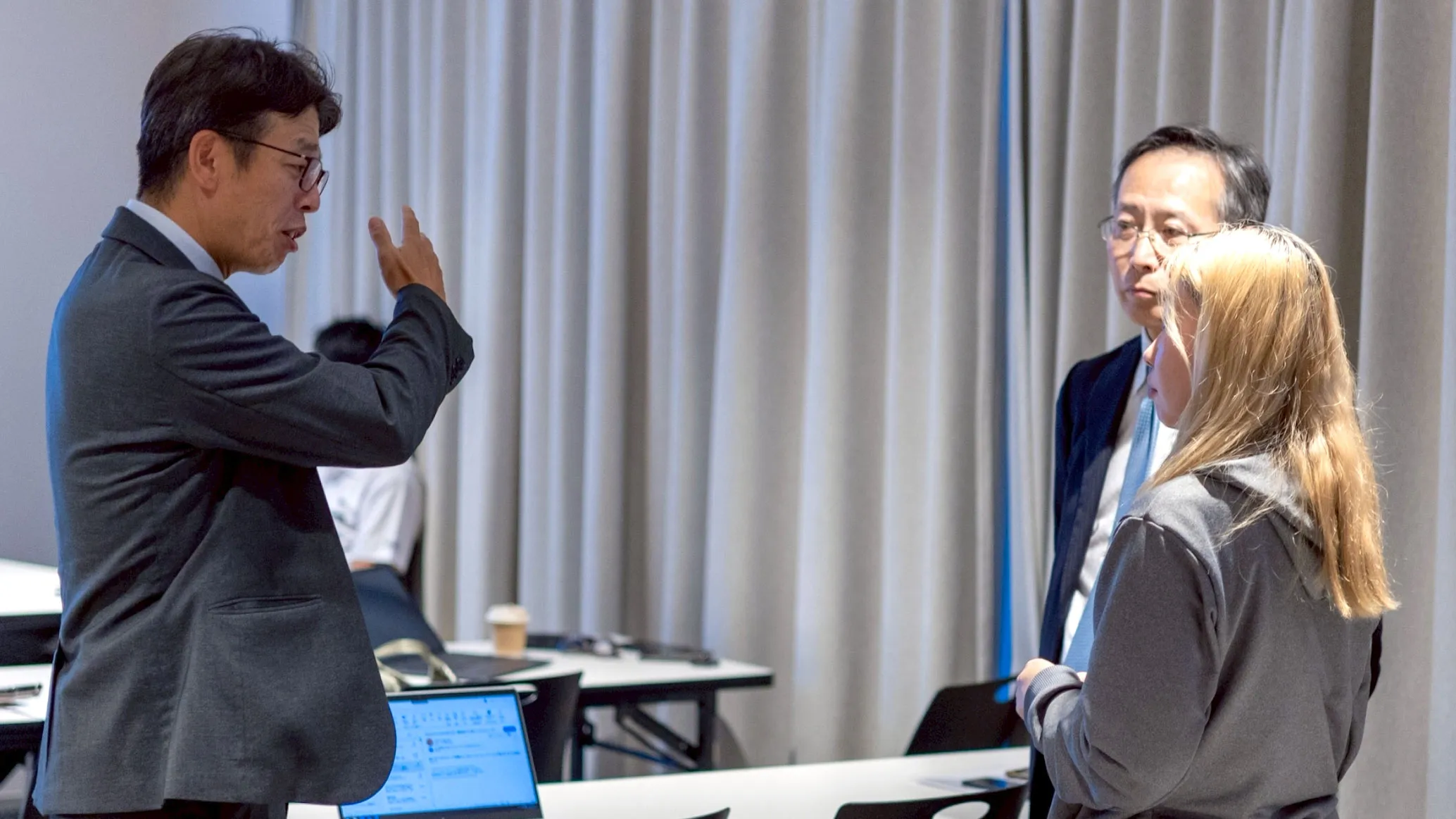
On the final day of the accelerator program, two selected startups gave presentations. Each company shared what they had tried using the JWL environment, and the results and challenges they had encountered. They also exchanged opinions on future prospects and the possibility of using the system not only in baseball and sports industries but also in society at large.
What was striking about the presentations was that they focused more on "what they learned" and "what they want to try next" rather than "what they were able to do." This suggests that by going to actual baseball sites and interacting with players and people involved, they encountered unexpected reactions and realized new things.
![On the final day of the program, participating startup companies gave presentations, sharing the insights and challenges they had gained from their work at JWL. [©JWL]](https://media.insight.pacificleague.com/webp/jgFFUXTh9xrTBUEYIopVCBpQuvHU2GqAsMylYyYh.webp)
Another way to get involved in baseball world
The Accelerator Program has shown that a different way of involvement can be created as an effort to utilize the baseball site for demonstration purposes.
PLM and JWL create a place, and then startups enter and work on the demonstration from their own perspectives. The insights and dialogue that emerged in the process were not only for the players and teams, but also for the baseball industry as a whole, and could serve as hints.
Both PLM and JWL expressed their willingness to consider the accelerator program in the future. What kind of people and technologies will gather here in the next round and what kind of changes will they bring to the baseball world? We will continue to keep an eye on the future of this program.
![After the presentations, there was an opportunity for participating companies and guest companies to exchange opinions, and there was lively discussion about future developments and the possibility of collaboration. [©JWL]](https://media.insight.pacificleague.com/webp/xIxVLIOmZcoShTkHZ6lJTJOHj8f769JarJ9cOCII.webp)
Text by Makoto Iwakuni
![The accelerator program conducted field trials where players were actually playing, including measurements using VR equipment. [©JWL]](https://media.insight.pacificleague.com/webp/I1GyqAJIZsKJUhJm5fnfv5FvayK7n8GFnvyeKACx.webp)