A solid rookie year saw him establish himself as a regular. What are his challenges?

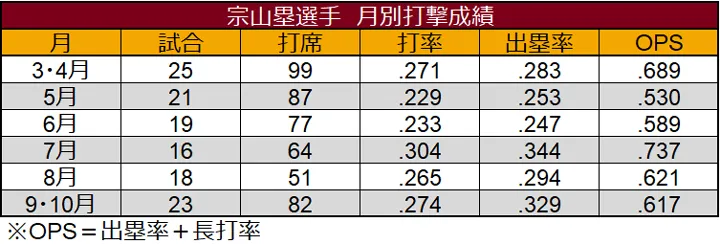
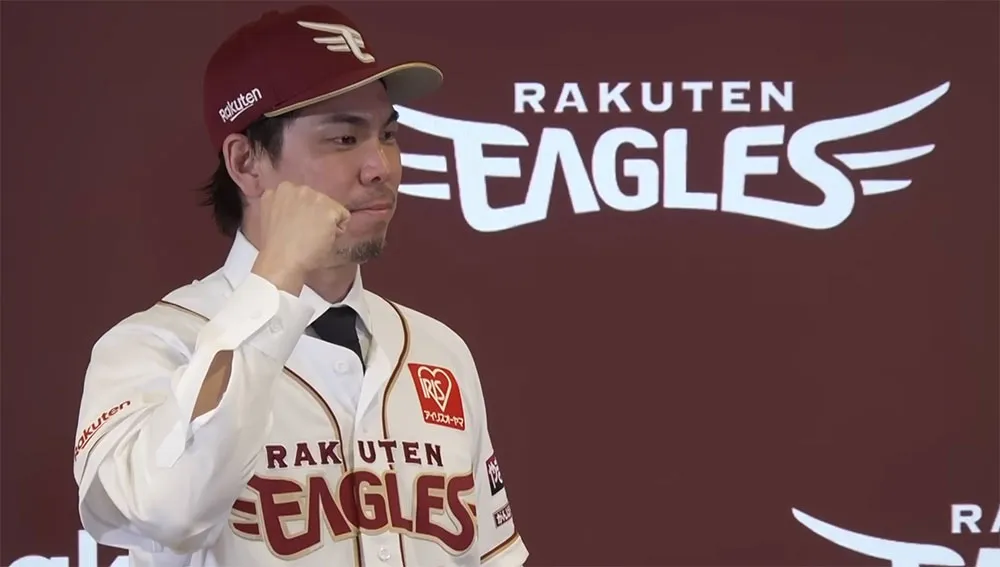
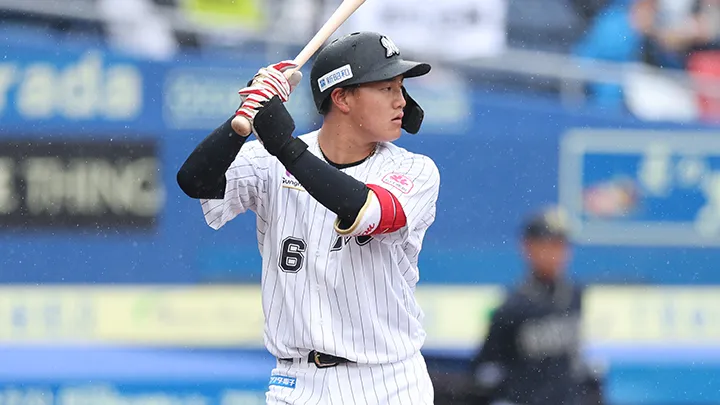
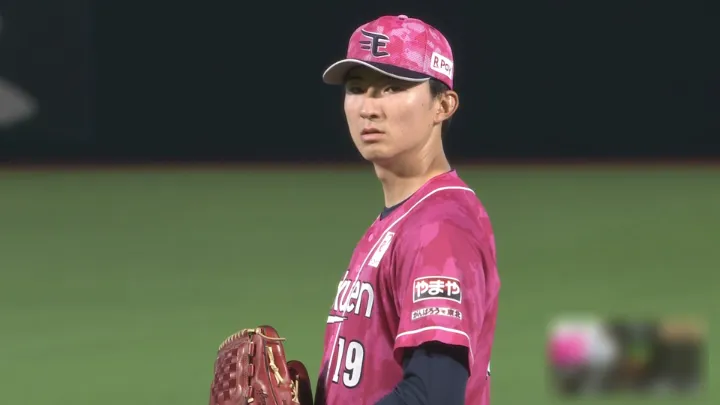
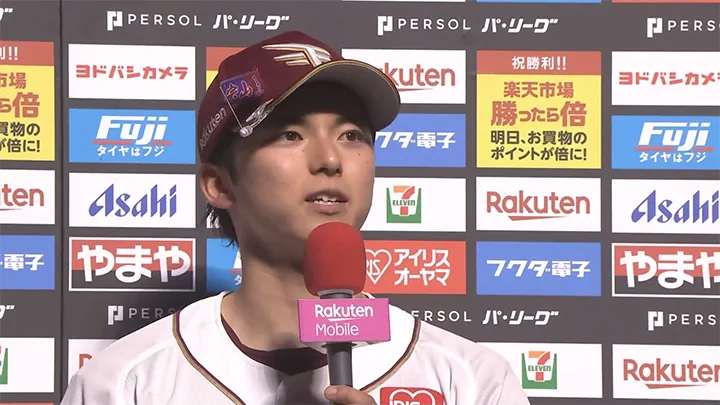
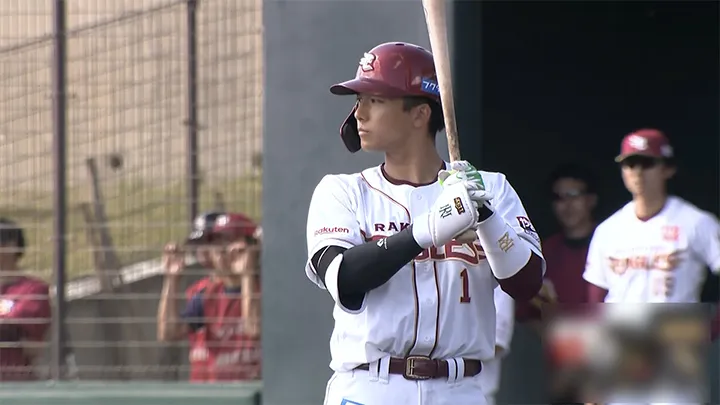
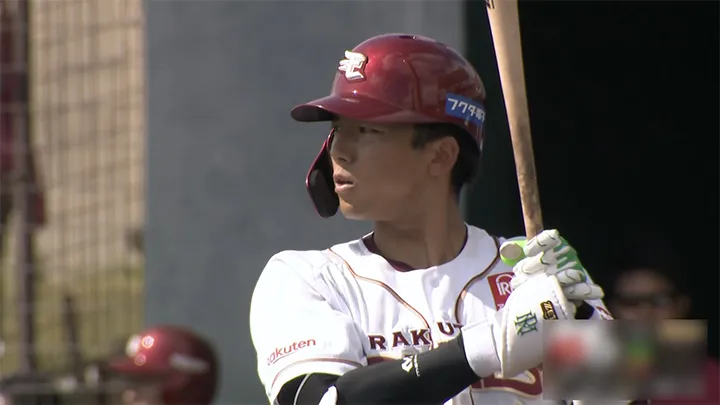
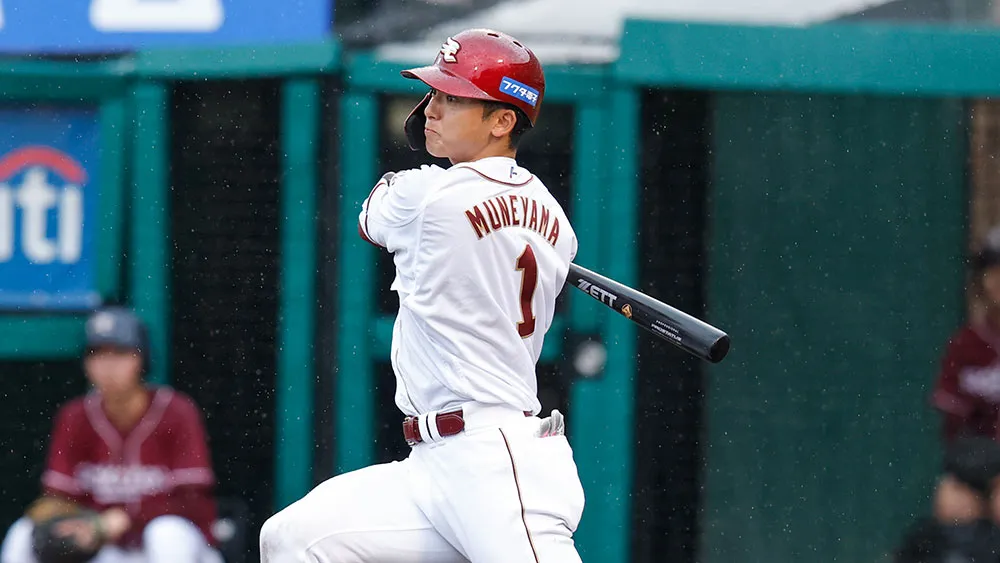
He was hailed as the No. 1 fielder in amateur baseball in 2024 and was drafted first Rakuten Eagles by Tohoku Rakuten. Rui Muneyama In his first year as a professional, he made his presence felt from the start, recording hit in five consecutive games from the opening day. Although his performance slumped in May and June, he recovered in July with a monthly batting average of .304. Ultimately, he recorded a batting average of .260 in 122 games, achieving the remarkable feat of becoming the first rookie in 26 years to receive the Best Nine award. This time, we will analyze Muneyama's batting using data.
He adjusted to the pros' fastballs in the second half of the season

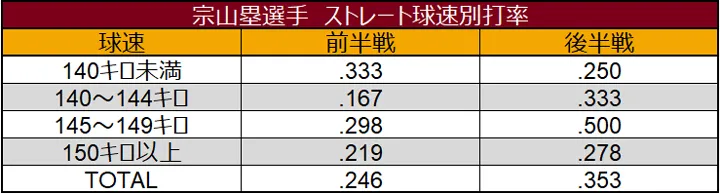
One of Muneyama's strengths is his ability to handle fastball. In the first half of the season, he recorded a batting average of .298 against 145-149 km/h pitches, which were the most frequently pitch, but was closer by a .219 batting average against pitches of 150 km/h or faster. However, in the second half of the season, he showed significant improvement, hitting .278 against pitches of 150 km/h or faster, and .500 against 145-149 km/h pitches. During the same period, he achieved an excellent batting average of .353 overall (18 At Bat 51 hit).
A fly ball rate comparable to that of hitter

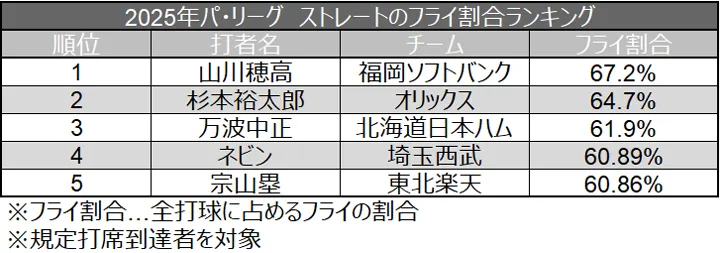
Focusing on fastball off straight pitches, the percentage of fly balls that are likely to result in hits was 60.9%, 6 points higher than the league average (54.8%). Among players who reached the required number of plate appearances in the league, only the five players in the ranking above exceeded 60%, and Muneyama's numbers were comparable to those hitter such as Chusei Mannami and Nevin. In addition, line drive percentage was also excellent at 10.6% (league average 8.5%), showing that he was able to handle the power of professional pitches from his first year.
The challenge lies in recognizing breaking ball

While Muneyama adapted remarkably well to fastballs, he struggled against breaking ball throughout the season, batting only .249. The league average for swinging at breaking balls in the breaking ball zone was 37.1%, but Muneyama's was a high 44.6%, meaning he was swinging at pitch that were difficult to hit. Comparing his approach by period, he swung at more balls in the ball zone in the second half of the season, while conversely, he swung less in strike zone. As the number of games increased, the opposing pitchers and catchers became more aggressive, and he may have had many at-bats where he was unsure how to respond.

Nevertheless, he has performed well when swinging inside the strike zone, and his contact rate, batting average, and long-ball rate are all above league average. 3 Home Run this season, including his first professional arch against Fukuoka Softbank on April 16, were all perfectly caught breaking ball in the zone. If he can improve his ballpark awareness, he has a great chance to become a central hitter player.
short stop He should have gained confidence from the fact that he was able to complete the season without injury, meeting the expectations of an immediate starter with his batting, while protecting the infield keystone of his game, which is "the best of the best". In fall camp, the ideal hitter image of an ideal Kensuke Kondo Fukuoka Softbank Soyama, who has set his sights on competing in the full inning season, has further improved his level . We are eager to see how number 1, who has further improved his skills, will perform next season.
All figures in the text and table are as of the end of the 2025 season.
Text: Data Stadium
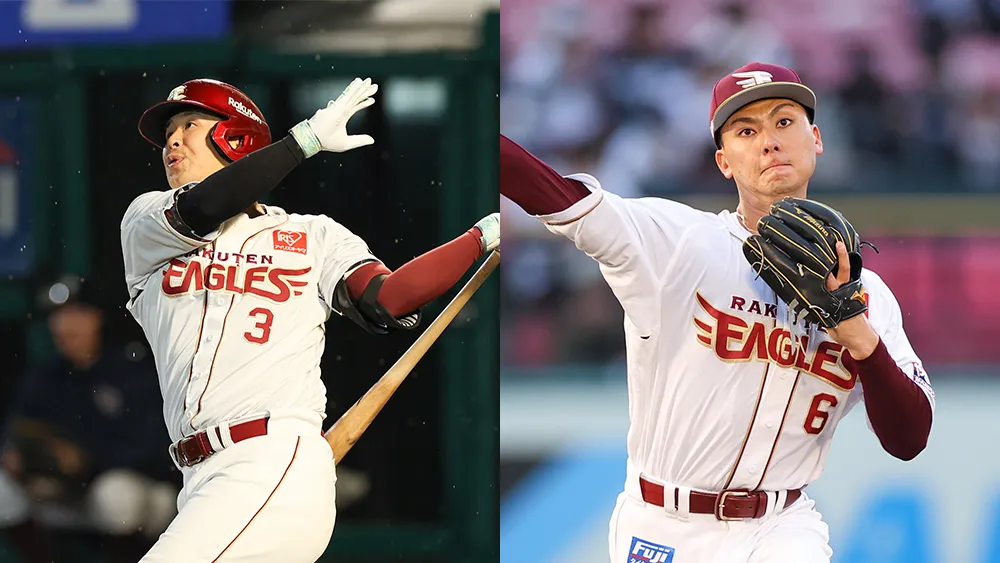
![Tohoku Rakuten Golden Eagles player Rui Muneyama [Photo: Provided by the team]](https://media.insight.pacificleague.com/webp/XTSlMnlqrIRJC2TDjNtnmkDfQby9R6GbOSa7lCpL.webp)