The number of inbound foreign tourists in 2025 is expected to reach 42.68 million, a 15.8% increase year-on-year, surpassing the previous record. By region, travelers from South Korea, China, Taiwan, the United States, Hong Kong, Thailand, Australia, and other countries make up the majority*. As a result, sales of inbound bounce tickets for games hosted by the Pacific League six teams have surpassed last year's results, showing steady progress.
*Reference: Japan National Tourism Organization "Inbound Visitor Statistics for December 2025 Estimates"
In the past, the demand for foreign fans in professional baseball was mainly aimed at star players from Asian countries, such as those from Taiwan or South Korea. However, in the past year or two, there has been a clear change in the audience base.
Especially in the Kansai region such as Osaka and Kyoto, travelers from Europe, America, and Australia who have visited shrines and temples during the day are rapidly choosing to watch night games at the urban dome Kyocera Dome Osaka as a form of "night entertainment" to satisfy their free nighttime time. This reflects a shift in demand from simple sightseeing to "koto consumption," where people experience Japan's unique culture firsthand.
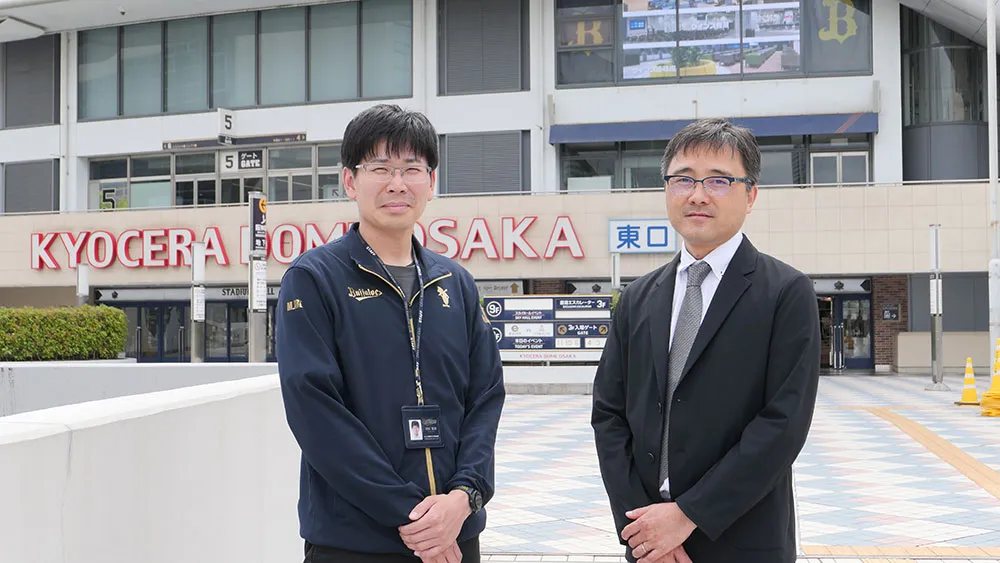
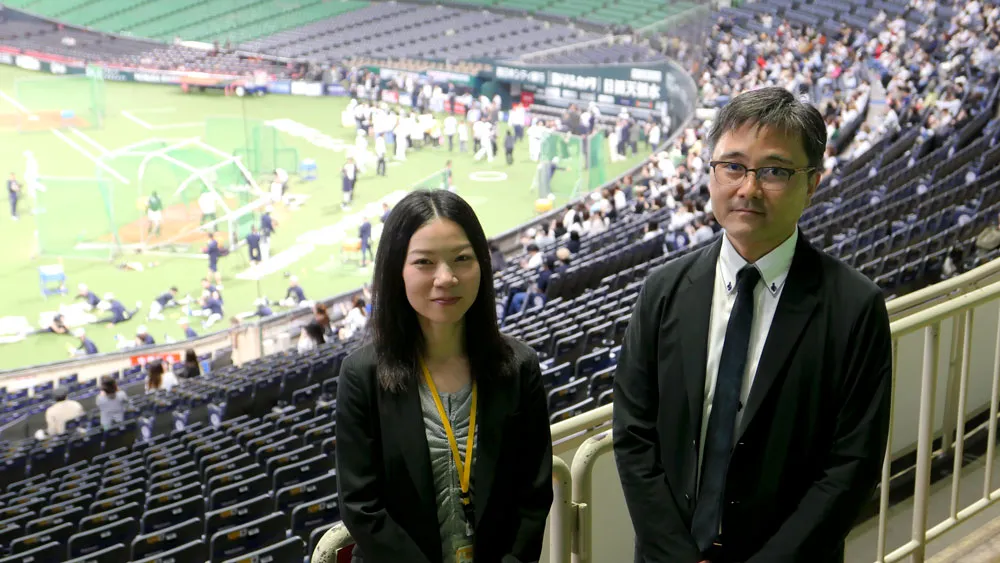
Regarding the transformation in demand for bounce and future measures, Yoshitoyo Sonoda of Tickets in Japan Co., Ltd., which sells tickets for live entertainment and sports bounce and Pacific League six teams visiting Japan, and Yuki Abe, who is in charge of ticket planning at Orix Buffaloes The Buffaloes.
Filling up weekday evenings: The growing demand for "professional baseball night games"
—First, when foreign tourists try to buy tickets for an Orix Buffaloes game online, they will likely end up at either the official The Buffaloes ticket site, "Oritike," or "Tickets in Japan," which is specifically for foreign tourists visiting Japan. Could you tell us about the differences and features of each?
Abe: We have created an bounce sales site within our official ticket website, "Oritike." It is a site where foreigners can purchase tickets without needing to register as a member. It handles almost all Orix Buffaloes-hosted first-team games and seat types, and you can also select your seats, offering a wide range of choices.
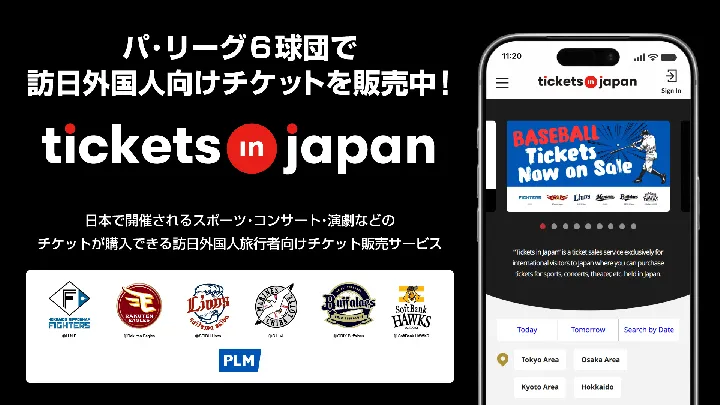
Sonoda: "Tickets in Japan," a ticket sales service different from "OriTicket," is a service operated by Tickets in Japan Co., Ltd. that specializes in serving foreign tourists visiting Japan. There is no Japanese version of the website; it's a multilingual site specializing in English, Traditional Chinese, and Korean. All functions, including UI & UX, international payment, and customer support, are specifically designed for foreigners.
In addition to selling tickets, we also strive to promote the appeal of the live performances and sporting events we handle. We gather information from event organizers, write introductory articles, and publish them on the Tickets in Japan website. Furthermore, we distribute these articles internationally through social media and various PR sites.
—Could you tell us about the realities of bounce demand in recent years, and the changes in the market and customer base?
Abe: Until the 2010s, our customers were mainly from Asian countries such as South Korea and Taiwan, but in the last two years, we have seen a clear increase in customers from Europe, the Americas, Canada, and Australia.
—Is attending baseball game included in your Kansai sightseeing itinerary?
Abe: That's right. The access from the bustling downtown areas of Osaka and Kyoto, as well as Kansai International Airport, to Kyocera Dome Osaka is excellent, making it easy to incorporate into sightseeing routes. In particular, since shrines and temples in Kyoto close in the evening, tourists are thinking about "what to do in the free time at night." I think that "professional baseball night games," which are all-weather events that take place at night, fit well as an option for them.
Moreover, it doesn't matter whether it's a weekday or weekend for foreign tourists. They even purchase tickets for weekday night games.
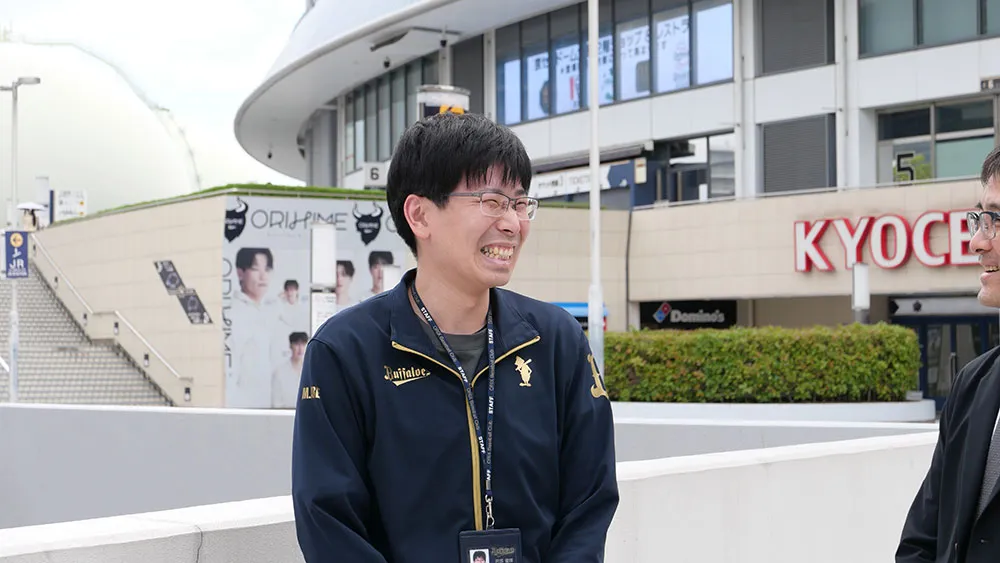
—From your perspective at Tickets in Japan, looking at the data and user behavior, what trends have you observed in The Buffaloes games?
Sonoda: Our company's data shows that 44.6% of The Buffaloes ticket buyers are from the United States, 20.4% from Taiwan, and 18% from Australia. A distinctive feature is that the proportion of European, American, and Australian fans is significantly higher compared to other teams.
Abe: That's an interesting trend, isn't it? I was surprised to see so many visitors from Australia.
According to Oricipate's data, there's a seasonal trend in ticket purchases: a surge in purchases from European visitors coming to Japan to see the cherry blossoms in early spring, a lull in the summer, and then another increase during the autumn foliage season. Customers from the United States and Canada are already baseball powerhouses, and many specifically research and come to see the games because they recognize the team as the former roster of pitcher Yoshinobu Yamamoto and outfielder Masataka Yoshida.
—Customers who are well-versed in Japanese baseball seem to know the classic way to enjoy the game: watching the game intently while also enjoying stadium food and cheering merchandise.
Abe: That's right. We also sell a lot of merchandise like jersey and towels to those kinds of customers.
Sonoda: I often see foreign customers eating the famous stadium food, "Itemae Dog," in the stands. Its impactful appearance makes it very photogenic!
Abe: "Itemae Dog" is popular with both men and women. Other popular items include takoyaki, which is typical of Osaka.
For those who are already interested, use "OriTicket," and for those who are not, use "Tickets in Japan."
—Could you tell us about the "bounce tourism measures" that The Buffaloes have implemented so far, and the changes the team has undergone?
Abe: Whenever we go to the stadium on a game day, we always see foreign customers, so there is a great deal of interest within the company in strengthening sales to bounce. At the stadium, we are first working to increase the amount of English signage and information. Fortunately, we now have a certain number of staff who can communicate in English, and this is being put to good use in providing soft services on-site.
Currently, for foreign customers, we intentionally use a system of "paper ticket exchange" at the ticket counter rather than "digital ticketing." This ensures a smooth flow of customers, and we haven't seen any significant confusion or problems at the ticket counter. In terms of seating, we've allocated seats mainly to the third base side and near the third base side, which has also helped to avoid congestion at the venue.
--What kind of results have you seen from collaborating with Tickets in Japan?
Abe: As a team, we have limitations in our ability to handle languages other than English, payment methods specific to overseas markets, and detailed customer support such as "how to get to the stadium and how to watch the game after purchasing a ticket."
From the team's perspective, they are seeing positive results from a clear division of roles: their own "OriTicket" service will reach existing fans who are already familiar with The Buffaloes, while "Tickets in Japan" will broadly reach potential fans that the team had not been able to approach before.
—So, you've established a mutually complementary relationship. What are your expectations for Tickets in Japan?
Abe: We expect Tickets in Japan to go beyond simply selling tickets and take on the role of a "media outlet" that provides information on venue access and spectator etiquette in multiple languages from the perspective of overseas users.
Sonoda: That's exactly what Tickets in Japan is focused on. We're not just selling tickets; we want to grow into a high-quality media outlet that people will say, "If you're going to watch Japanese professional baseball, get the information from Tickets in Japan first," and we're also strengthening our content, such as introducing stadium facilities.
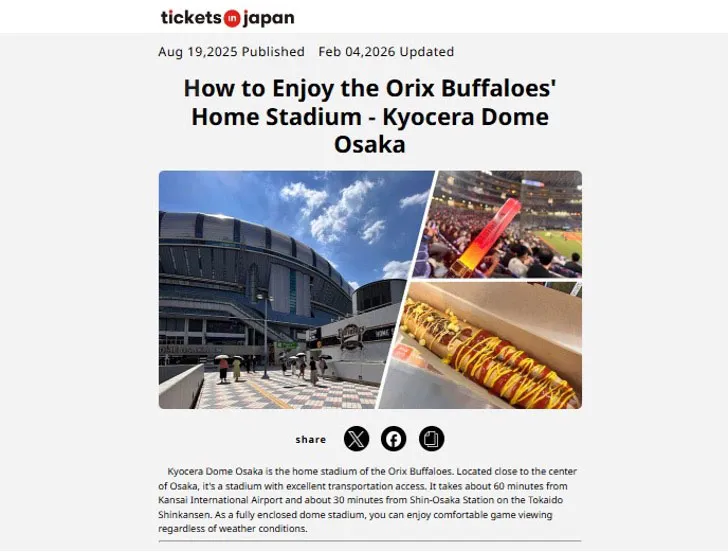
Abe: As a team, we'd like to take advantage of that and promote the appeal of watching games at the stadium.
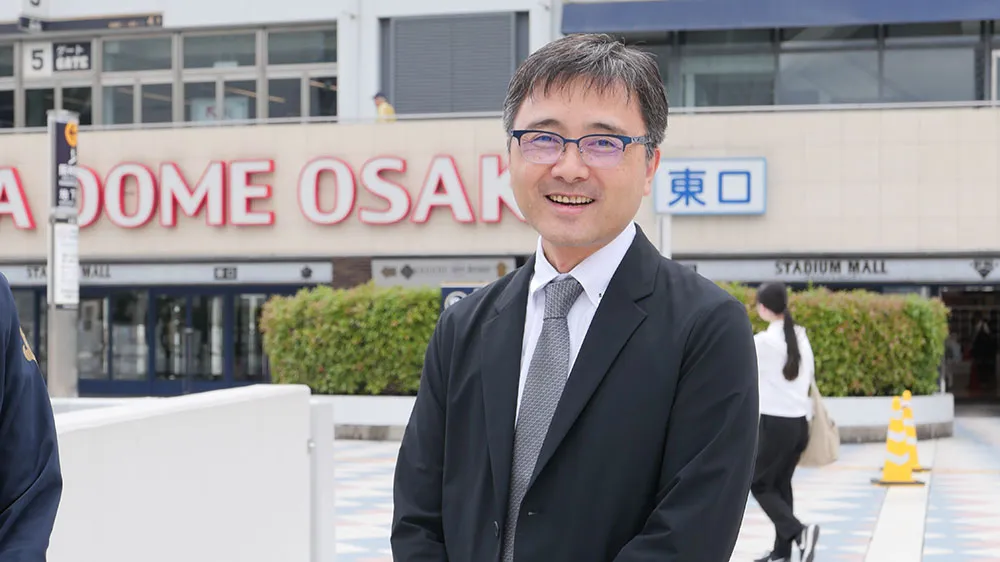
—What are the current challenges? What are your plans for further strengthening Japanese professional baseball as bounce attraction in the future?
Abe: In terms of hardware challenges, some visitors from Europe, America, and Australia have the problem of the seats being too small. We are considering what we should do in the future to provide them with a better viewing experience. We also receive some inquiries due to cultural differences, such as "Is it possible to cancel or change the date?"
Sonoda: We do receive a certain number of inquiries about cancellations and refunds at Tickets in Japan. For example, in South Korea, it seems that there is a culture where, like hotel and restaurant reservations in Japan, you can cancel professional baseball tickets after purchasing them for a certain period of time, although a cancellation fee will be incurred. We explain this to our overseas customers so that they can understand Japanese culture. However, surprisingly, there are many customers who accept that Japanese professional baseball rules stipulate that tickets are non-refundable.
Abe: That's certainly true. Going forward, a major challenge is to turn this into a "repeat visitor" experience, rather than letting it end as just a one-off tourist attraction. People from Europe, America, and Australia come not only for the "baseball game itself," but also for the "cheering culture," which includes Japan's unique musical instruments and the enthusiasm of the cheering squads, as well as the "stadium food," such as takoyaki. We want to leverage the advantage of a dome, which is unaffected by the weather, and further promote the appeal of Japanese entertainment culture as something that enriches the evenings.
Sonoda: In the future, we plan to develop products such as "tickets that include practice viewing" and tickets that include farm team games. Our goal is to build a large-scale bounce service that connects professional baseball as a whole, other sports, and live entertainment with foreign tourists visiting Japan, and to take on the challenge of acquiring sustainable live entertainment and sports fans in Japan.
Abe: Let's work hard together!
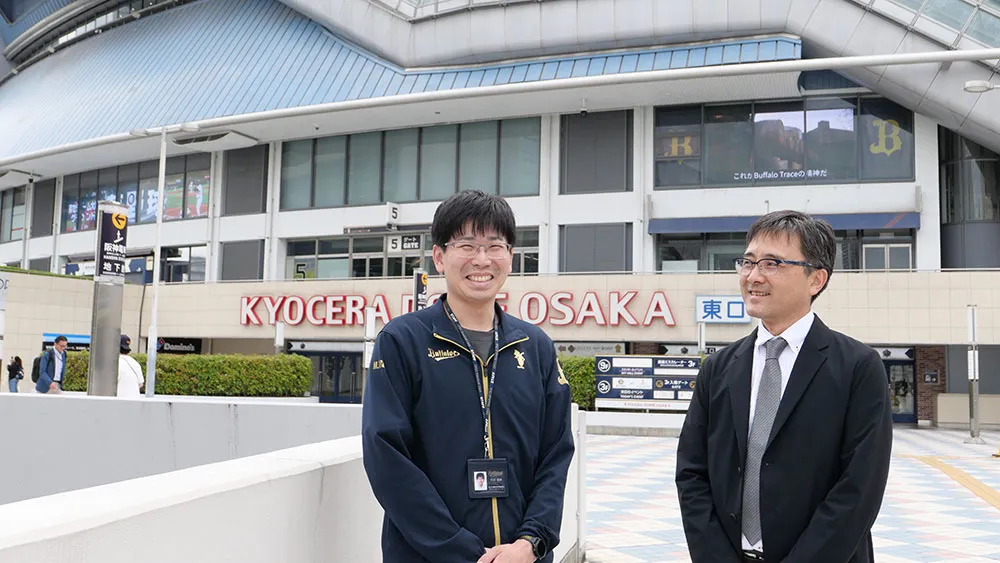
performances in Japan
https://www.ticketsinjapan.com/
Service Overview (for use in Japan)
https://www.ticketsinjapan.com/partners/
![Chashu Mazesoba, perfect for finishing off a day of watching baseball [Pacific League Gourmet Club #150]](https://media.insight.pacificleague.com/webp/U35nMN22XcpaqEMDQNsyGFew1z5nTWysvc9CMAGX.webp)
![[Hawks Championship Commemorative Events and Merchandise Released] Today's Pacific League [September 17]](https://media.insight.pacificleague.com/webp/l3A7WgVUBxbO6j9Jai4VMA7HHsoicmJQQ7xmfA0P.webp)