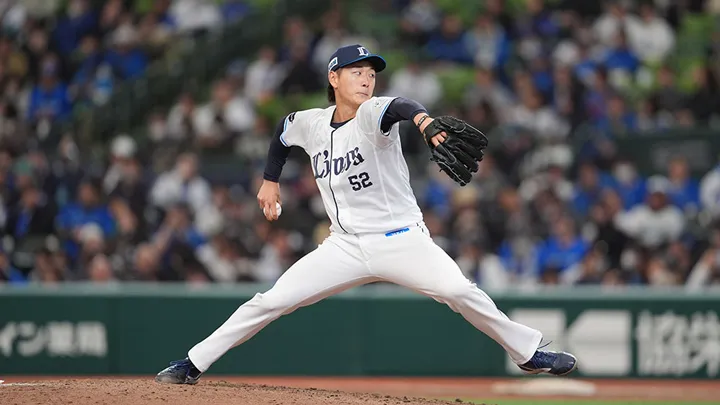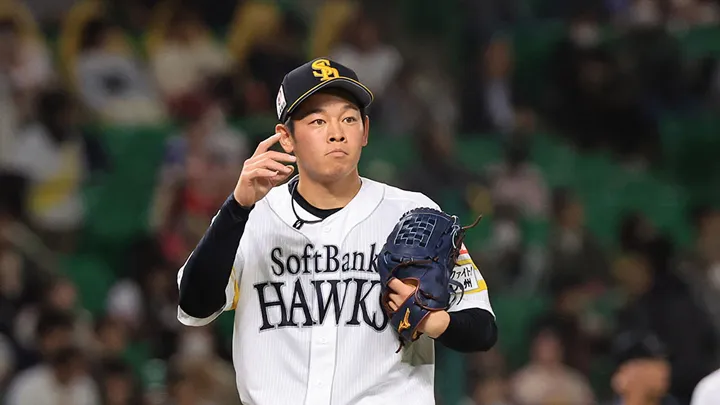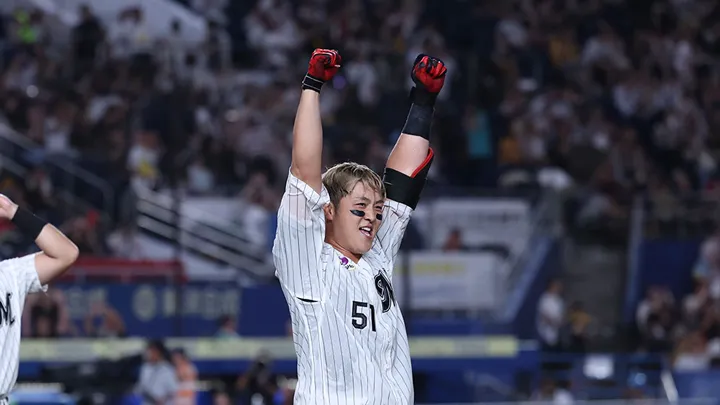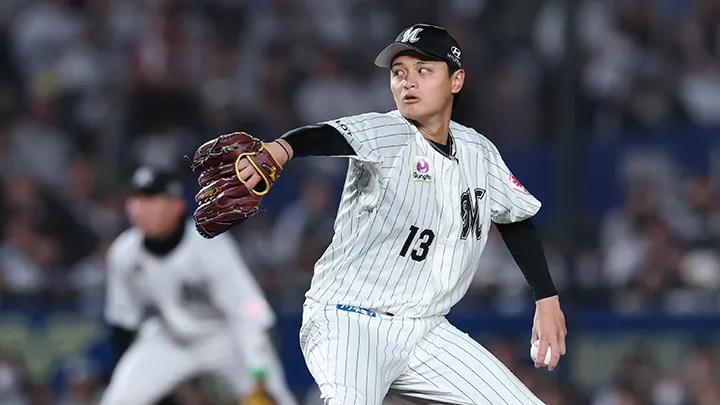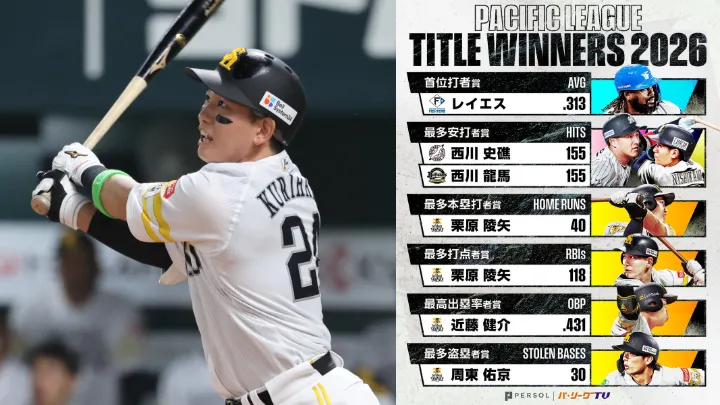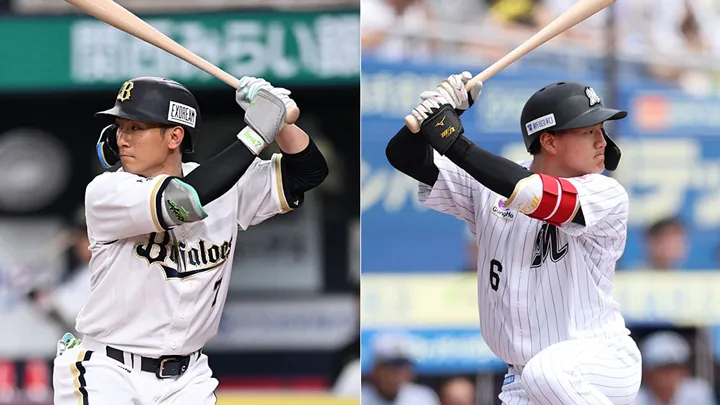
Coincidentally, two outfielders with the same surname shared the title for the most hits.
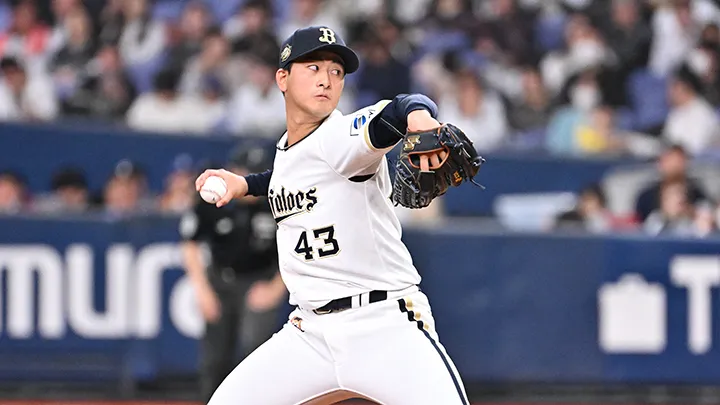
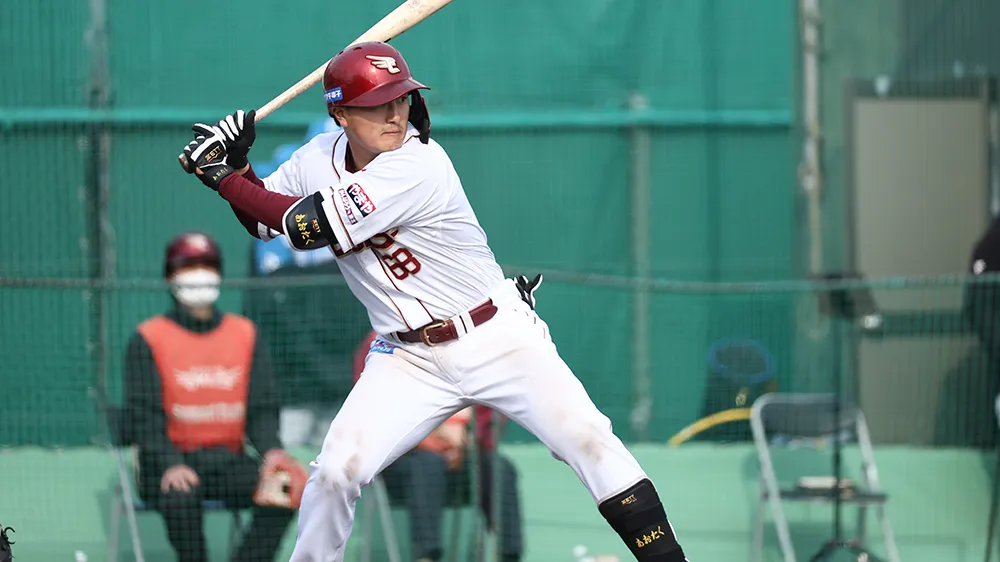
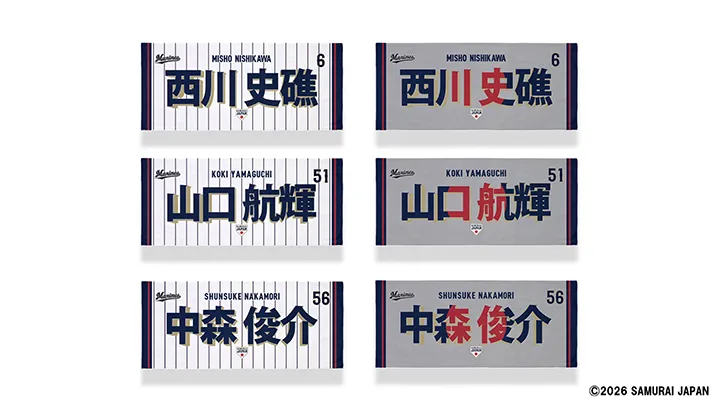
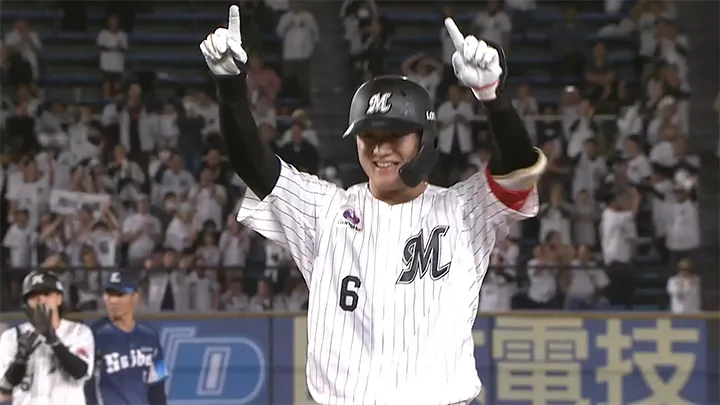
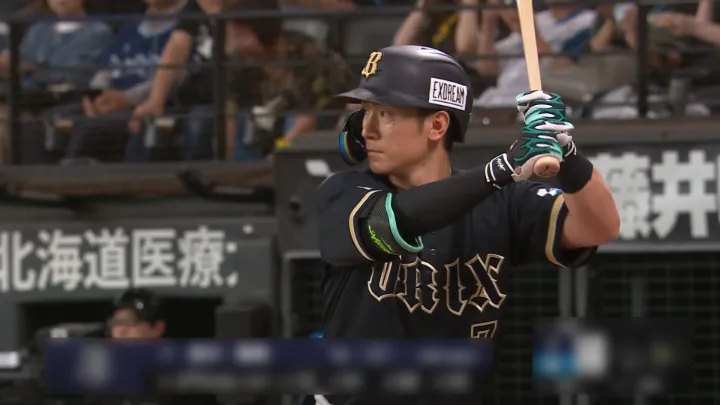
In the 2026 season, Orix Buffaloes player Ryoma Nishikawa and Chiba Lotte Marines player Misho Nishikawa both recorded 155 hits, and both earned their first-ever title for the most hits. It is an extremely rare record, being the first time since the introduction of the two-league system that players with the same surname have shared a single title in the same year.
This time, we will introduce the performances shown by Ryoma Nishikawa and Misho Nishikawa in 2026 based on various indicators. In addition, we will look at elements such as changes and growth when compared to past years, and look back once more at the season of these two heroes who competed fiercely until the very end of the season.
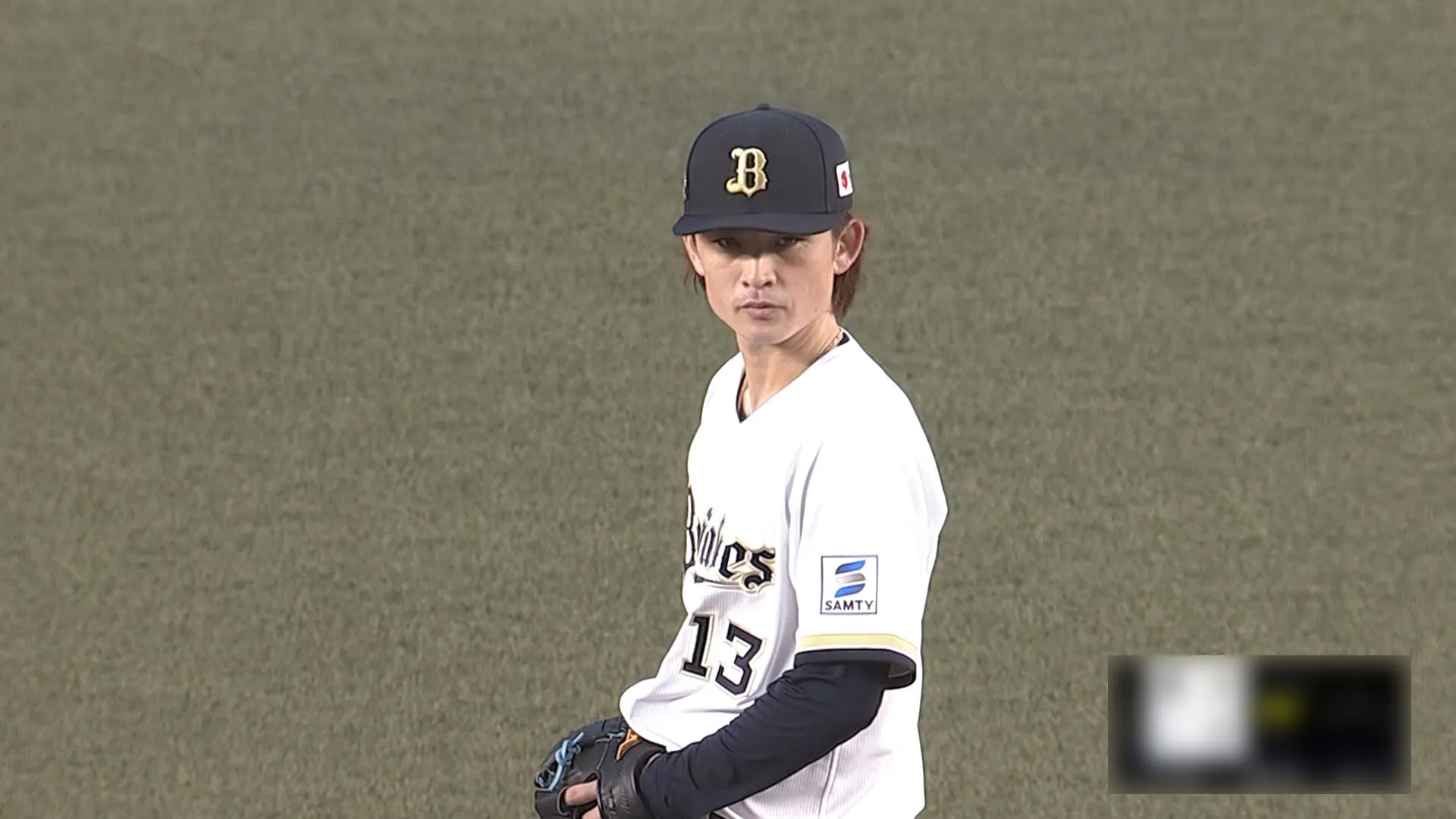
This season, he also achieved his first-ever appearance in every single game.
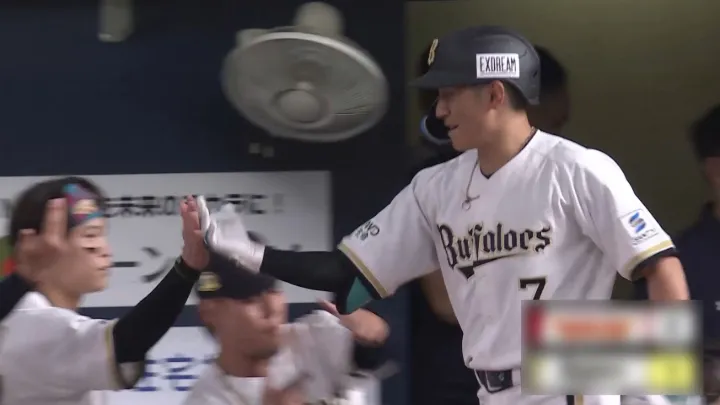
The following are the year-by-year statistics that Ryoma Nishikawa has recorded so far.
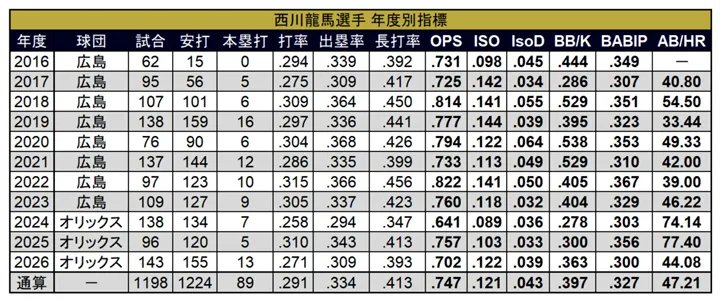
Ryoma Nishikawa recorded a batting average of .310 in 2025, and despite a period of absence due to injury during the summer, he stood at the top of the batting average rankings as of September 20th. However, he was forced to withdraw after suffering a right tibial fracture from a self-hit ball in the final stages of the season, resulting in him missing out on the leading hitter title as he unfortunately fell short of the required number of plate appearances.
Although his batting average dropped to .271 this season compared to the previous year, he achieved his first-ever full-season appearance in his 11th year as a professional. Given that he has experienced many seasons plagued by injuries since his time with Hiroshima, being able to fight through the entire year without withdrawal holds great significance.
Regarding his batting average, he recorded a monthly average of .297 in April and .345 in June, maintaining stable performance through the mid-season with a .295 average as of the end of July. It is regrettable that his form slumped in the final stages with a monthly average of .242 in August and .211 in September, but he fulfilled his role of leading the lineup as a top-order hitter throughout the year.
His power hitting reached the highest level, but perhaps he was also unlucky in some respects?
In terms of metrics, his "ISO," which is often described as the "true slugging percentage" by removing the influence of single hit from the slugging percentage, recorded .122, the highest figure since his transfer to the Orix Buffaloes. His AB/HR has also improved from the 70s range over the past two years to 44.08, indicating that all metrics related to extra-base hits were on an upward trend.
Looking at metrics related to plate discipline, his "IsoD," which represents the difference between batting average and on-base percentage, has remained at a very low level throughout his career, with a lifetime average of .043. His "BB/K," calculated by dividing Walk by times struck out, is also somewhat low at .397 for his career, with various figures showing that he has achieved results through an aggressive hitting style.
This season as well, his IsoD is .039 and BB/K is .363, showing no change in his tendencies as a hitter, as he continues to accumulate hit with a style of hitting strikes aggressively. On the other hand, regarding "BABIP," which indicates the rate at which balls in play (excluding Home Run) become hit, there has been a somewhat interesting transition.
BABIP is considered a metric easily influenced by luck and is thought to converge to a certain value over the long term. As a left-handed hitter, Ryoma Nishikawa has characteristics that tend to result in a high BABIP, and his career BABIP of .327 significantly exceeds the general standard value of .300.
However, this season's BABIP stands at exactly the standard value of .300, suggesting that he was not as blessed with luck compared to typical years. Including 2024, he has recorded a BABIP significantly below his career average in two out of three seasons since joining the Orix Buffaloes; therefore, if his luck converges next season, there are high expectations for a performance similar to 2025, when he recorded a BABIP of .356.
He will achieve even better results than last season by serving as the closer to manage the intense fluctuations in form seen the previous year.
Next, let's take a look at the annual metrics recorded by Misho Nishikawa so far.

Misho Nishikawa reached the regulation number of plate appearances in 2025 and left a good record with a .281 batting average, winning the fierce competition to earn the Rookie of the Year title. However, he struggled in the early stages, batting only .145 at the end of May, and experienced being sent down to the minor leagues twice. Although he secured a spot as a mainstay by achieving outstanding results from June to August, his appearances were limited to 108 games due to the intensity of his performance fluctuations.
Additionally, his OPS in 2025 was .699, falling slightly short of .700, and he faced some challenges in terms of productivity. Furthermore, both indicators regarding plate discipline—IsoD at .037 and BB/K at .188—were quite low, indicating that he employed a very aggressive hitting style.
Then in 2026, Misho Nishikawa increased his number of games played to 136, more than 30 games more than the previous year. Although he was forced to miss several games after an accident where he crashed into the wall during a game on July 20, he completed the season as a mainstay hitter without any other major absences.
While he had large monthly performance fluctuations the previous year, this season his monthly batting average was above .250 every month, and he never fell into an extreme slump. Consistently playing a role in the top of the lineup while maintaining stable performance was one of the major factors that led to his increased playing opportunities compared to the previous year.
Areas that were challenges during the first professional year, such as plate discipline and productivity, have improved across the board.
This season, Misho Nishikawa has shown steady improvement not only in his number hit but also in his overall statistics. His batting average rose from .281 last year to .290, and his on-base percentage also improved significantly from .318 to .353. His IsoD rose from .037 to .063, and his BB/K ratio rose from .188 to .376, all indicators related to his plate discipline, which was a major issue last year, also showed signs of improvement, indicating further evolution as a chance creator.
Home Run total more than doubled from 3 the previous year to 8, and his slugging percentage also rose from .381 to .391. His AB/HR ratio also more than doubled from 139.00 to 66.75, indicating an improvement in Home Run power hitting as well. RBI also increased from 37 to 53, showing a glimpse of growth as a run-scorer compared to the previous year.
With improved plate discipline and increased power, his OPS also rose from .699 to .745. In addition to various other metrics, Misho Nishikawa showed remarkable improvement in his productivity as hitter this season, making it fair to say that he had a fulfilling year showing growth in many aspects as hitter.
Will the outfielder with the same surname, who aggressively swings at good pitches, continue to produce hits in large numbers and energize the league?
Ryoma Nishikawa and Misho Nishikawa not only share the same surname, but also have quite a few similarities in terms of their playing style as outfielder who aggressively swing at hittable pitches. However, in contrast to Ryoma Nishikawa, who has maintained an aggressive hitting style for many years, Misho Nishikawa has increased his Walk in this, his second professional season, steadily improving his productivity as a hitter.
Including the future evolution of their hitting styles, it can be said that the further success of both players from next season onwards is well worth watching. There are high expectations that the two "Nishikawa" players will continue to produce hit as core members of their teams and enliven the Pacific League as some of the league's leading outfielder.
Text by Ryota Mochizuki