"I've been able to pitch in really important situations, and I've been getting solid results, so I think things are going smoothly."
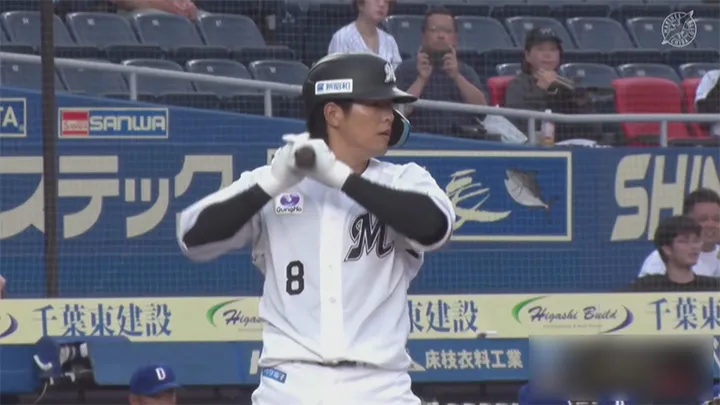
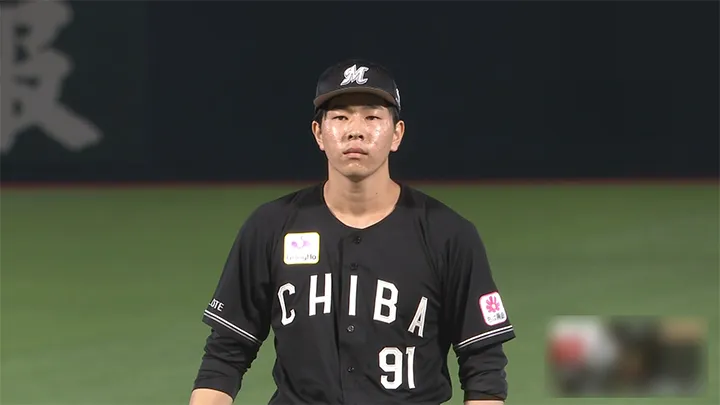
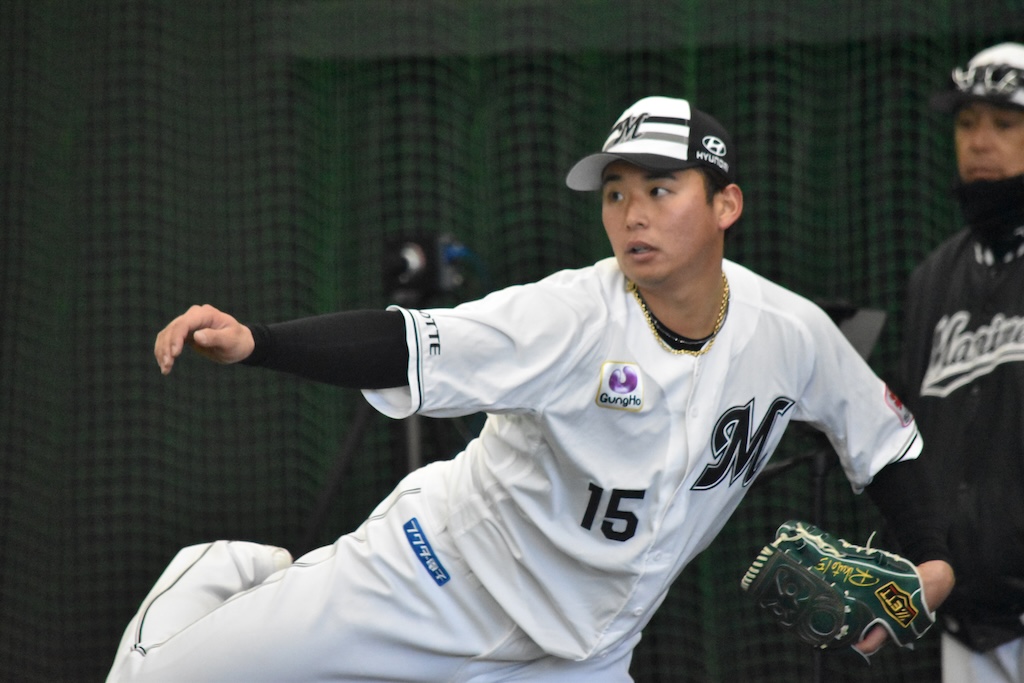
Lotte's Rikuto Rikuto Yokoyama has become a regular starter in the 9th inning of winning games, and has recorded a league-leading 24 saves so far. He has also settled into his new jersey number '15' this season.
closer is a crucial position directly linked to the team's win. Do they think it's enough to hold onto a lead—whether it's a 3-run, 2-run, or 1-run lead—closer end the game, or do they want to hold the opponent runs in every situation? What kind of emotions are they feeling when they pitch?
"Of course, zero losses would be ideal, but ultimately, I think the best outcome is for the team to win, so I hope we can keep that in mind as we go along."
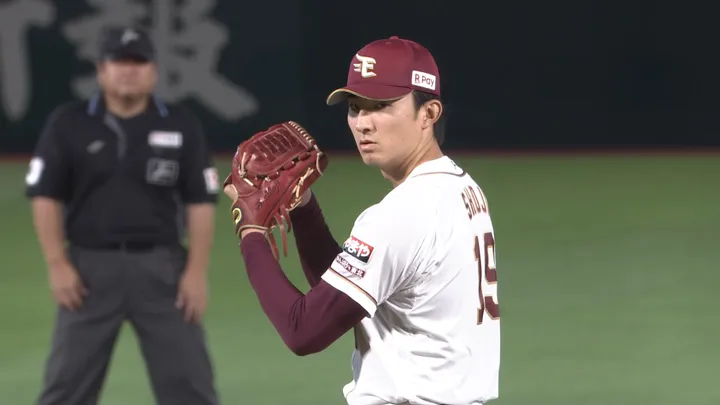
Notably, he throws so few pitches. In the game against Rakuten Eagles on April 29, he pitched 5-3 in the ninth inning, closer leadoff Yoshiaki Watanabe with a fly to left, McCuscar to grounder to second, and Hikaru Ota to center field—hitter three batters in just three pitches. This season, he has pitched 33 games and inning 33, throwing 488 pitches and averaging 14.8 pitches per inning.
In June, 7 out of 9 games ended with 1 inning 15 pitches or fewer; in the game Yakult on June 4, he threw 4 pitches in one inning; on June 14, against DeNA, he threw 1 inning and 7 pitches; and on June 21 against Rakuten Eagles, he threw 1 inning and 6 pitches in a "energy-saving" pitch.
Regarding the factors behind his ability to closer with few pitches, he offered this self-analysis: “I really feel that opposing batters are swinging at count early and often, so I’m able to throw to the right spots right from the first pitch. Since they’re swinging early, I think that’s why I’m closer with so few pitches.”
On the other hand, strike out rate is 6.55, which is the lowest it has been since he became a regular in the first team in 2023 (2023: 9.61, 2024: 7.93, 2025: 7.51). Does this mean he wants to struck out struck out strike out he has the opportunity?
"Of course. struck out are the least risky way to get an out, so if we can aim for struck out, that's good. It's always better if we can get one."
Among them, sinker is the best. On June 6, in the game against The Giants, with one out in the ninth and no runner in the 1-1 score, he hit Reito Nakayama on the second pitch, swinging and missing from one ball, sinker on the inside course. On June 14, in the game against DeNA, he retired Keita Sano from a 1-ball, 2-strike in the ninth with two outs and no runner, swinging from one ball to two struck out on the inside course, a good sinker on the inside course.
"There are times when I don't feel like I'm throwing well, but I think I'm getting more stable and able to throw well now."
Against right-handed hitter, in the Chunichi game on June 9, sinker did well by swinging 135 km/h on the third pitch on the inside pitch to Yuta Ishii from 1 ball and 1 strike without one out in the ninth inning with no runner score, 3-1.
"I've been throwing that sinker to right fielders since last year, and I have a good feeling about it. Right fielders tend to focus on the outside, so I think sinker that's on the inside or just inside the middle of the plate might be effective in that situation."
Since last summer, Yokoyama's pitch repertoire seems to have broadened as he has become able to throw sinker to right-handed hitter as well. Yokoyama himself acknowledges this, saying, "Yes, I think it has broadened considerably."
Currently, the team is in the lower half of the standings, but with a record of 35 wins, 33 losses, and 3 ties, they have a positive win-loss record of 2. In order to stay in contention for the top spots, they need to keep winning. And for that, Yokoyama's strength is essential. "As it gets hotter, I think managing my physical condition will become important, so I need to rest when I need to and work hard when I need to. I think it would be good if I could do it with a good balance." With proper physical care, it will be a "hot" summer for both the team and Yokoyama.
Interview and text by Yuta Iwashita