When watching baseball, you may hear expressions such as "line drive-like hit" or "a high fly." Both indicate that fielder made a direct catch, but are there such things as a "sharp fly" or a "high line drive"? What are the criteria for determining these? In this article, we will explain "line drive" and "flies" with video of the game.
What are "line drive" and "flyers" anyway?
The terms line drive and fly are used to refer to the height and speed of the hit ball, and there are no clear standards for either.
First of all, line drive is a ball that flies close to the ground, in a straight line, without drawing an arc. It is characterized by its high speed, which gives defense almost no time to react. Therefore, there is a high probability that it will slip through fielder and become hit, but if fielder is well-positioned and can react well and catch, it will result in an out.
In contrast, a fly ball is launched high into the air, and its arcing trajectory keeps it in the air for a long time. If it flies high near infielder, it's called an "pop fly," and if it flies high in outfield area, it's called an "outfield fly." Because it stays in the air for a long time, it's easy for defense catch, and it often results in an out. However, depending on the distance it travels, it can also be Home Run run.
As such, the difference between the two lies in the angle of the ball and the speed of the trajectory. However, since there is no clear standard, they are sometimes described as "half-line drive" or "line drive-like fly balls," and the distinction is currently made based on subjective judgment. As the name suggests, a "half-line drive" refers to a ball with a trajectory that is somewhere between line drive and a fly ball, not as straight as line drive, and not as high as a fly ball.
From here, we will introduce the difference between line drive and a fly in a video.
Whether it's an out or Home Run...! Introducing various line drive
As explained earlier, while line drive has a high probability of being hit, it is often out if fielder has good positioning or responds well.
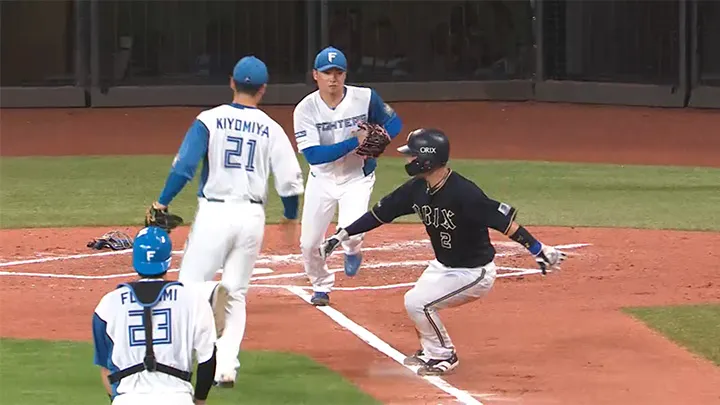
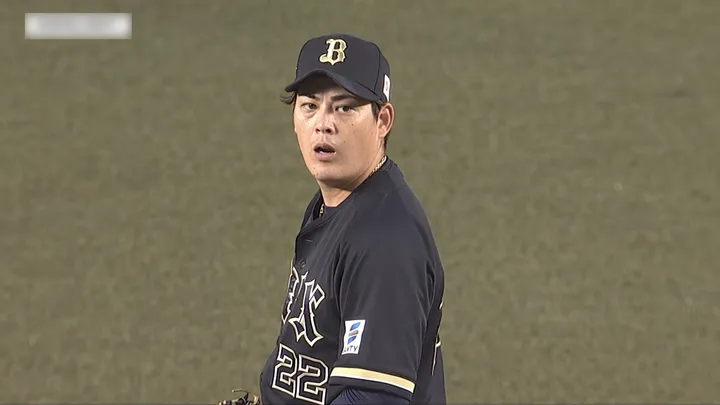
The first is presented here: Chiba Lotte Marines ・ Yudai Fujioka Orix Buffaloes Chiba Lotte Marines player hit line drive over the player's head; the sharp hit by a Orix Buffaloes Yusuke Mugitani In the April 29 catch vs. game, a sharp line drive hit by a hit player seemed to go over Fujioka's head , but he jumped beautifully and timed it well. position and catch an example of good timing that resulted in an out line drive.
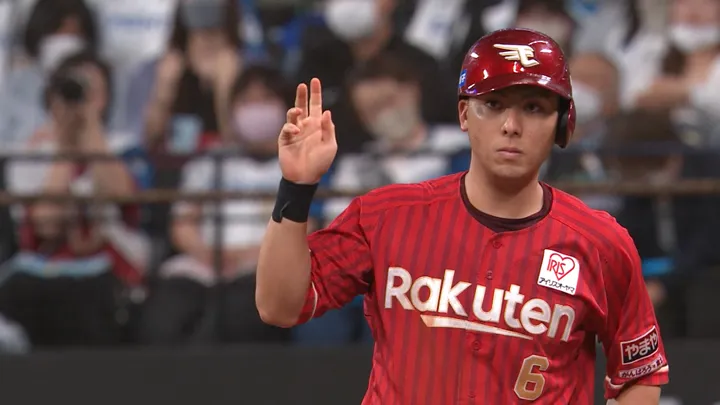
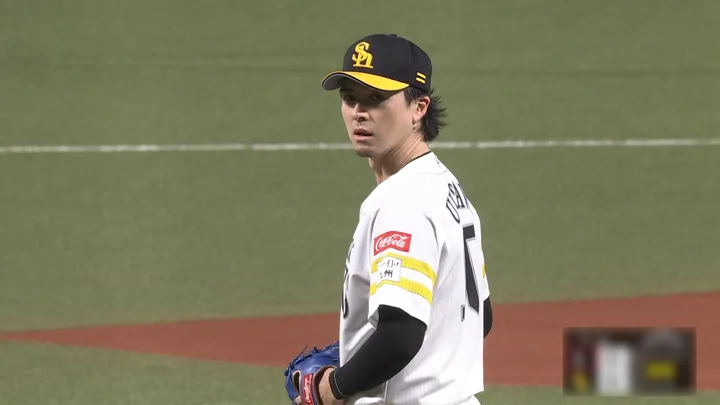
Next, pitcher reacted quickly and instantly got a powerful line drive out. It was a game between Tohoku Rakuten Eagles and Fukuoka Softbank on April 26th. Tohoku Rakuten Eagles 's Rui Rui Muneyama hit a low line drive toward mound, but Fukuoka Softbank 's pitcher Ryo Oyama reflexively reached out and caught the ball in his glove. If the ball had gone through, there was a chance the runner could have reached base, but pitcher reacted and catch, resulting in line drive pitcher.
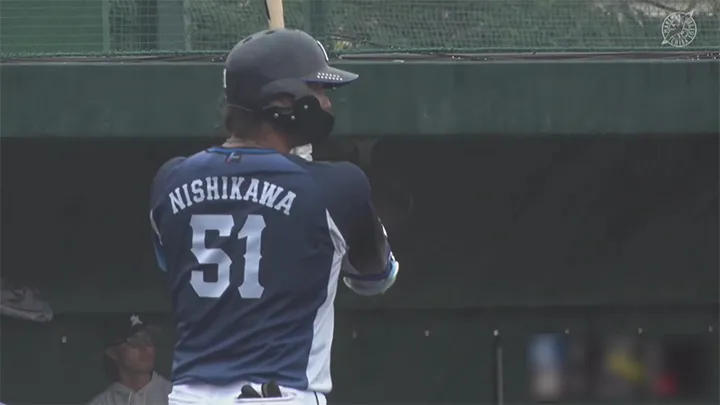
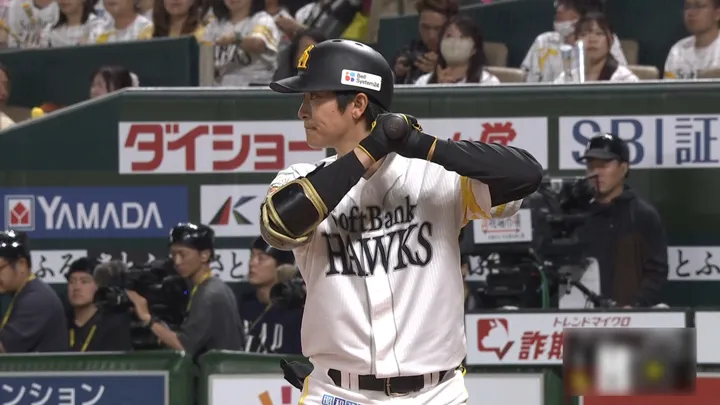
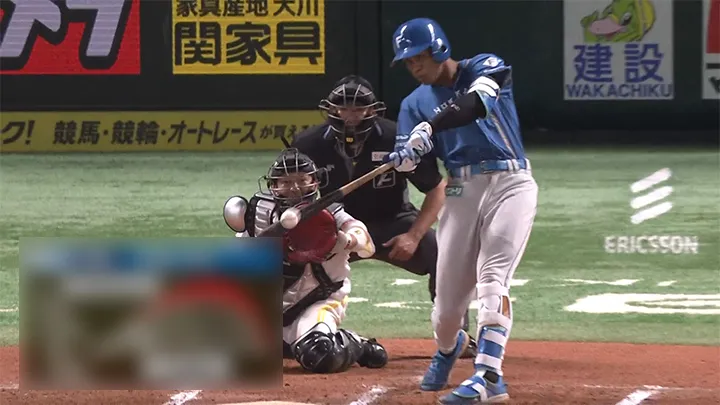
On the other hand, a sharp, bullet-like line drive can also result in Home Run. On May 1st, in the game between Fukuoka Softbank and Hokkaido Nippon-Ham Fighters, in the top of the seventh inning, with the score tied at 2-2, Hokkaido Nippon-Ham-Ham Fighters' Chusei Mannami hit a bullet-like line drive toward left field. The ball was so fast that it flew into the left-field stands in an instant. It was a valuable game-winning Home Run run.
When is an "infield fly" applied? Types of flies you should know
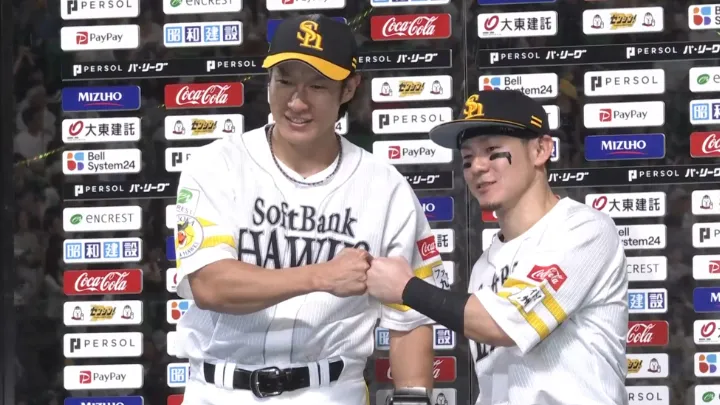
First up is an outfield fly that resulted in an out. It was a game between Fukuoka Softbank and Saitama Seibu Lions on May 14th. Saitama Seibu Lions pitcher Natsuki Natsuki Takeuchi, making his first appearance of the season, continued to pitch well through the middle innings. In the bottom of the fifth inning, he faced a pinch with two outs and a runner on second base, but he got out of it by getting Fukuoka Softbank 's Ryoya Kurihara to hit a fly ball to right field. Comparing it to a video of line drive, you can see that the ball was launched high and stayed in the air for a long time.
While it's often thought that a fly ball is an easy out, in outdoor stadiums, the wind and twilight can cause the ball to be lost and dropped. On August 13, 2023, in a game between Chiba Lotte Marines and Saitama Seibu Lions at Zozo Marine Stadium, a fly ball launched high behind short stop was blown into the wind and dropped. Even Saitama Seibu Lions player Sosuke Genda, a seven-time Mitsui Golden Glove Award winner, found it difficult to catch.
Among the flies is an "infield fly" that is sentenced by umpire.
The infield fly is a rule that prevents the defense side from gaining too much advantage in pop fly. When a fly goes up to infield with no outs or one out, first or second base, or bases loaded, umpire calls an infield fly, and whether fielder catch or drops the ball, hitter is out. The purpose is to prevent fielder from intentionally dropping the ball by aiming for double plays.
We looked at the characteristics and differences between line drive and fly balls. When watching games in the future, be sure to pay attention to the trajectory and speed of the ball.
Written by Pacific League Insight Editorial Department