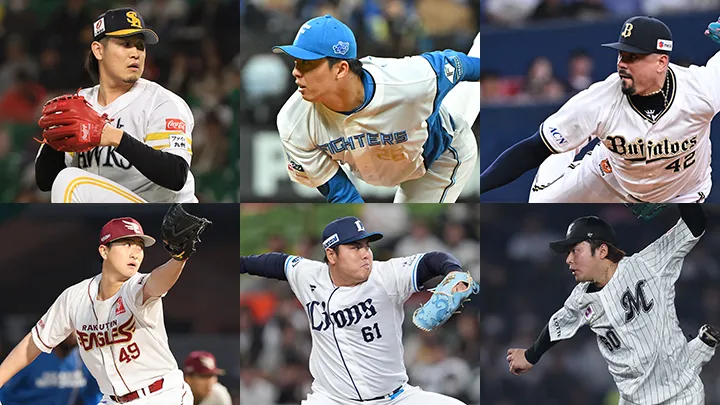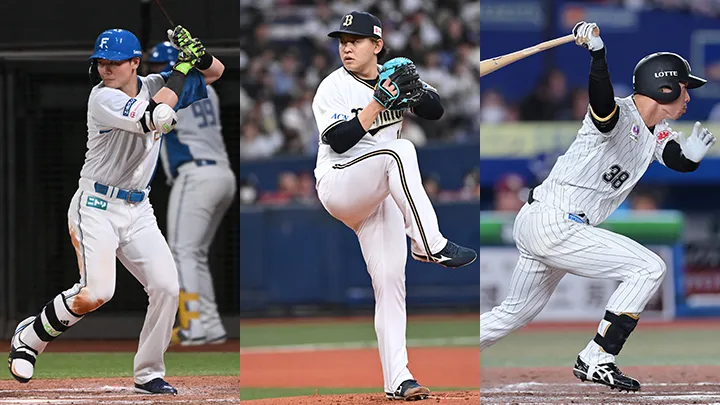

The adaptability of the MLB Home Run king. Explaining the batting style of Tohoku Rakuten 's Voit

Pacific League Insight

2025.11.4(火) 15:00

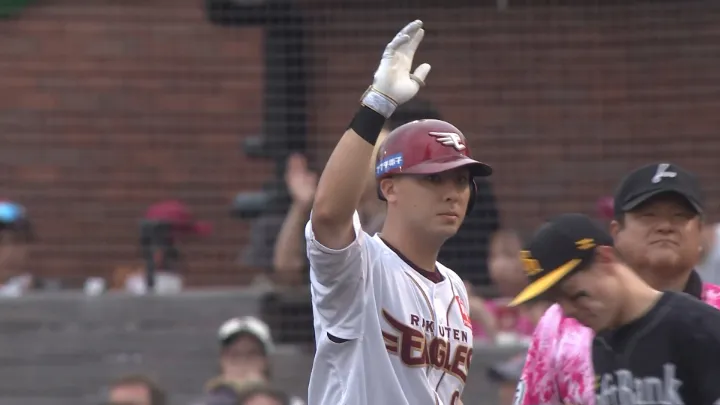
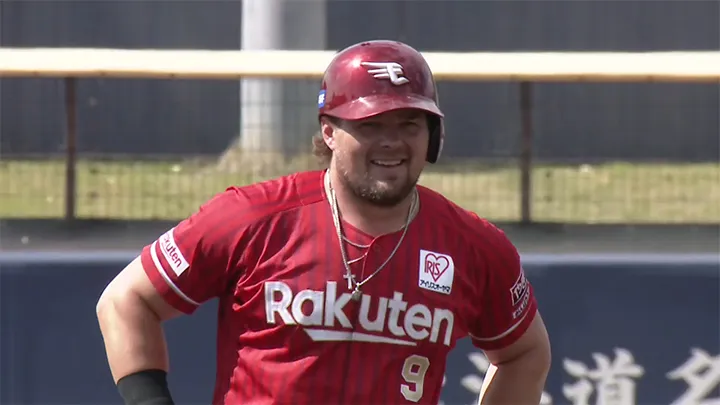
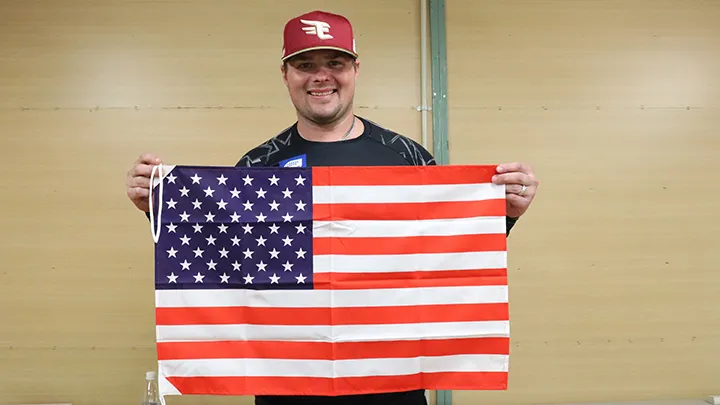
Tohoku Rakuten Golden Eagles player Voit [Photo: provided by the team]

Adapting to Japanese baseball in just over a month since arriving in Japan

Voit's batting performance by period ©Data Stadium

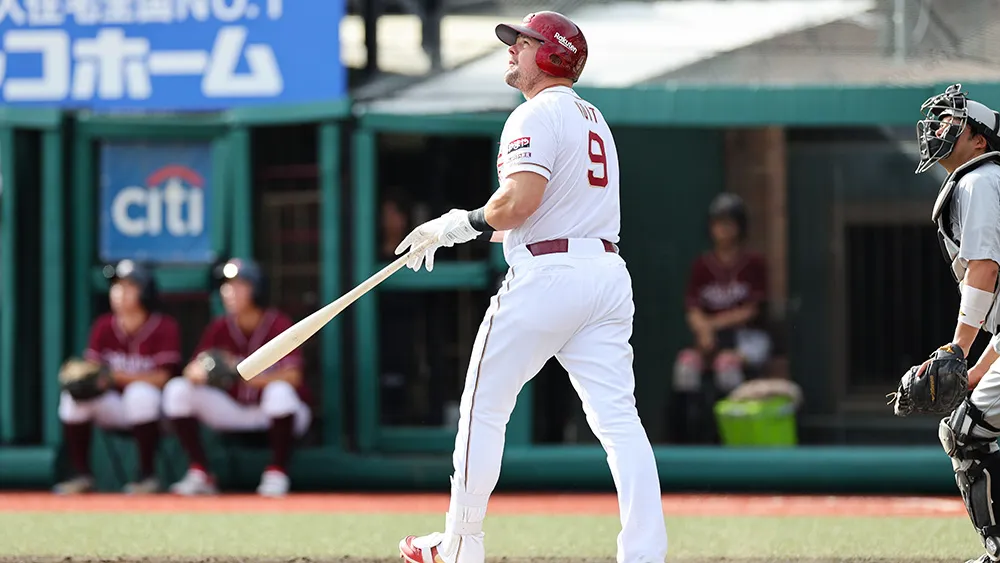
Luke Voit who was Home Run king in the majors in 2020, joined Tohoku Rakuten in June 2013. His numbers were sluggish in his first month, but from August onwards he showed off his natural batting prowess with a Home Run. He ended up with a team-leading 13 Home Run, demonstrating his adaptation to Japanese baseball just over a month after arriving in Japan. In this article, we will look at Voit's batting data, which has shown a dramatic improvement in his performance since the middle of the season.

He has switched from aiming for fastball to being more aggressive with breaking ball

Voit's swing rate by pitch type when there are 0 or 1 strike ©Data Stadium

The first thing to note is the change in his approach. Looking at the swing rate by pitch type when there are 0 or 1 strike, in July his swing rate at breaking ball was 75.0%, while his swing rate at fastball was a high 80.9%. When he first arrived in Japan, he was seen aiming for straight pitches in count it's easier to swing boldly. In stark contrast to July, his swing rate at fastball pitches dropped by about 10 points from August onwards, while his swing rate at breaking ball rose to 80.6%. In stark contrast to July, he has been more aggressive with breaking ball since August. Given the significant change in the pitches he targets, it seems that his ability to "deal with breaking ball" is the key to his improved performance.

Is the increased use of breaking ball the reason for the change in approach?

Voit's breaking ball pitch rate by player count ©Data Stadium

First of all, why did they start targeting breaking ball? One possible reason is the pitching strategy of the opposing battery against Voit. Regardless of the strike, the rate at which Voit pitch with breaking ball was over 60% when there were zero or two strike, and Voit's attack was centered on breaking ball from the time he arrived in Japan. Furthermore, since August, the rate at which breaking ball were thrown when there was one strike has increased by about 16 points. This means that the rate at which breaking ball were thrown in low count has increased even more. Accordingly, Voit likely shifted to an approach that emphasizes breaking ball.

Narrowing down the target ball to breaking ball increases the number of angled hit balls

Voit's breaking ball ball quality ratio when there are 0 or 1 strike ©Data Stadium

As he changed his approach, a big difference became apparent in the nature of the ball he hit. Looking at the nature of the ball he hit when hitting breaking ball with 0 or 1 strike, in July half of the balls were grounders, but from August onwards the proportion of line drive and fly balls increased. As an overall trend, breaking ball are more likely to be hit as grounders compared to fastball. Initially, there were many cases where he "got hit" breaking ball, consistent with this trend, but since August when he narrowed his focus he has been able to hit balls with an angle that tends to produce good results.

Dramatic improvement in performance against breaking ball

Voit's breaking ball batting performance ©Data Stadium

In the first month, he struggled against breaking ball, batting .182, but after August his performance improved dramatically to .336. Considering his unrivaled strength against breaking ball, especially with 0-1 strike, batting .441, there's no doubt that the change in approach was a success. For foreign fielder playing in NPB, how well they handle breaking ball is key to their success. Establishing a handle on breaking ball in just over a month must have led to his improved performance from August onwards.

He also proved to be a killer against fastballs.

Voit's fastball pitch batting performance count since August ©Data Stadium

Finally, let's take a look at his performance against fastball. In July, fastball batting average was in the 20s, but from August onwards, he posted a batting average of .345. His numbers improved, just like breaking ball, but what's particularly noteworthy is his performance by count. Looking at fastball stats when there were 0 or 1 strike, six of his nine hit home run. While his swing rate decreased due to his emphasis on breaking ball, he was steadily hitting them and producing a large number of long hits. Even after being put in a tight spot, he still recorded a high batting average of .344. From August onwards, he demonstrated his ability to kill fastballs regardless of count, which can be said to have led to his improved performance mid-season.

Voit has adapted brilliantly to Japanese baseball, changing his original batting style. Although the team missed out on making it into Class A for the first time in four years, Voit was a threat to other teams in the second half of the season. In mid-October, the team announced that Voit had signed a contract for next season. He will be looking to show off his impressive batting prowess from the start of next season and bring the glory of a championship to Tohoku once again.

*All figures in the text and tables are as of the end of the 2025 season.

Text and Data Stadium

関連LIVE配信

Featured
Featured
Pacific League News

The adaptability of the MLB Home Run king. Explaining the batting style of Tohoku Rakuten 's Voit